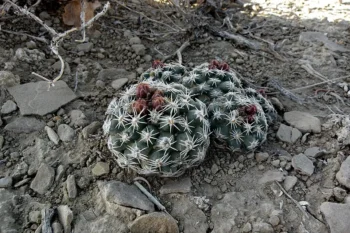
Despain’s Pincushion Cactus: A Rare Desert Gem Worth Protecting
Meet Despain’s pincushion cactus (Pediocactus despainii), also known as the San Rafael cactus – one of Utah’s most precious and endangered native plants. This tiny desert dweller might be small in stature, but it’s huge in conservation importance and gardening intrigue.
A True Utah Native with a Story
Despain’s pincushion cactus is a perennial species that calls only Utah home, specifically the unique landscape of the San Rafael Swell. This makes it what botanists call an endemic species – it literally exists nowhere else on Earth naturally. Talk about exclusive!
Unfortunately, this exclusivity comes with a serious conservation concern. The species currently holds an Endangered status in the United States and has a Global Conservation Status of S2, meaning it’s imperiled due to extreme rarity. With typically only 6 to 20 occurrences and few remaining individuals in the wild, this little cactus is fighting for survival.
- Species observed
- No observations
What Makes This Cactus Special?
Don’t let its small size fool you – Despain’s pincushion cactus packs quite the visual punch. This compact, globe-shaped cactus produces stunning pink to magenta flowers in spring that seem almost too large for the plant itself. The contrast between the prominent spines and delicate blooms creates a captivating display that attracts native bees and other small pollinators.
As a slow-growing perennial, this cactus takes its time developing its characteristic form, making each specimen all the more precious.
Should You Grow Despain’s Pincushion Cactus?
Here’s where things get complicated. While this cactus would be an incredible addition to specialized desert gardens, rock gardens, or cactus and succulent collections, its endangered status means you need to think carefully before adding one to your landscape.
If you’re considering growing this rare beauty, please only source plants from reputable nurseries that can guarantee responsibly propagated material – never wild-collected specimens. Better yet, consider supporting conservation efforts for this species instead of or in addition to growing it.
Growing Conditions and Care
Should you find responsibly sourced plants, Despain’s pincushion cactus has some very specific needs:
- Sunlight: Requires full sun exposure
- Soil: Demands extremely well-draining, alkaline soils
- Water: Minimal watering – this plant despises wet conditions
- Climate: Surprisingly cold hardy for a desert cactus, suitable for USDA hardiness zones 4-8
- Placement: Best grown in containers in most climates for better drainage control
Planting and Care Tips
Growing Despain’s pincushion cactus successfully requires mimicking its native desert environment:
- Plant in a specialized cactus mix or create your own with sand, perlite, and minimal organic matter
- Ensure containers have multiple drainage holes
- Water sparingly and only when soil is completely dry
- Protect from winter moisture – wet conditions are this plant’s biggest enemy
- Consider growing in a cold frame or unheated greenhouse for optimal control
Wildlife and Pollinator Benefits
Despite its small size, this cactus plays an important ecological role. Its spring flowers provide nectar for native bees and other small pollinators, contributing to the desert ecosystem’s delicate balance.
The Bottom Line
Despain’s pincushion cactus represents both the beauty and fragility of our native plant heritage. While it can be grown successfully by dedicated cactus enthusiasts with the right conditions, its endangered status means every plant matters for conservation.
If you’re passionate about desert plants and conservation, consider supporting organizations working to protect this species in the wild. And if you do choose to grow one, make absolutely certain your plant comes from responsible propagation efforts – never from wild collection.
Sometimes the most meaningful way to appreciate a rare plant is to help ensure it survives for future generations to discover and admire.