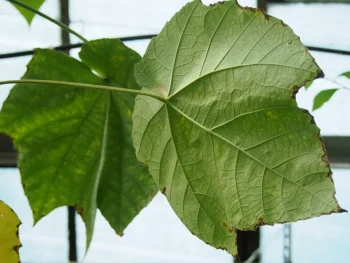
Devil’s-Cotton: A Lesser-Known Pacific Native Worth Knowing About
If you’ve never heard of devil’s-cotton, you’re not alone. This Pacific native shrub, scientifically known as Abroma augustum, is one of those plants that flies under the radar in most gardening circles. But for gardeners in the right location, it might just be worth getting to know.
What is Devil’s-Cotton?
Devil’s-cotton is a perennial shrub that’s native to the Pacific Basin, though it doesn’t naturally occur in Hawaii. This multi-stemmed woody plant typically grows to less than 13-16 feet in height, making it a manageable size for most garden settings. Like many shrubs, it usually develops several stems from ground level, though environmental conditions can sometimes encourage different growth patterns.
In Palau, locals know this plant by another name: lab. It’s always fascinating how different cultures develop their own common names for the same plant!
Where Does Devil’s-Cotton Grow?
Currently, you’ll find devil’s-cotton growing naturally in Guam and Palau. This limited geographic distribution makes it a pretty exclusive plant in the gardening world.
- Species observed
- No observations
The Gardening Reality Check
Here’s where we need to be honest: there’s surprisingly little detailed information available about growing devil’s-cotton in garden settings. This isn’t necessarily a bad thing – it just means this plant hasn’t made it into mainstream horticulture yet.
What we do know is that it’s a native species in its home range, which typically means:
- It’s adapted to local climate conditions
- It likely supports local wildlife in some way
- It shouldn’t pose invasive risks in its native territories
Should You Try Growing Devil’s-Cotton?
If you’re gardening in Guam or Palau, devil’s-cotton could be an excellent choice for a native plant garden. Native plants are almost always the best choice for supporting local ecosystems, and they’re typically easier to grow since they’re already adapted to your climate.
For gardeners elsewhere, this plant presents some challenges. Without clear information about its growing requirements, hardiness zones, or care needs, it’s difficult to recommend with confidence. You’d essentially be experimenting, which can be fun if you’re up for the adventure but frustrating if you prefer guaranteed results.
The Bottom Line
Devil’s-cotton represents one of those intriguing native plants that deserves more attention from the gardening world. If you’re in its native range and interested in supporting local plant communities, it’s worth seeking out. Just be prepared to do some detective work when it comes to growing requirements – you might be pioneering its use in cultivation!
For gardeners outside the Pacific Basin, you might want to focus on native plants from your own region instead. Every area has its own fascinating native species that are better documented and easier to grow successfully.
Sometimes the most interesting plants are the ones we know the least about – devil’s-cotton definitely falls into that category!