Devil’s Gut: The Parasitic Vine You Probably Don’t Want in Your Garden
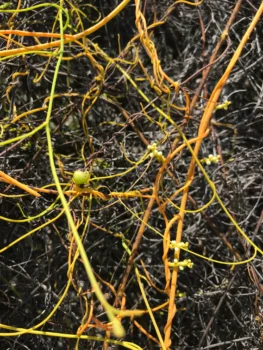
Meet devil’s gut (Cassytha filiformis), a plant with a name that pretty much tells you everything you need to know about it. Also known as dodder laurel, this peculiar parasitic vine might catch your eye with its distinctive orange, thread-like appearance, but it’s definitely not your typical garden addition.
What Makes Devil’s Gut So Devilish?
Devil’s gut is a perennial parasitic vine that looks like someone scattered orange spaghetti across the landscape. Unlike most plants that mind their own business and make their own food, this sneaky character latches onto other plants and steals their nutrients. Its thin, leafless stems form tangled masses that can completely engulf shrubs and trees, earning it that rather ominous common name.
The plant produces small, inconspicuous white or cream flowers that may attract some pollinators, but don’t let that fool you into thinking it’s garden-friendly. Those innocent-looking blooms are just part of its strategy to spread and find more victims—er, host plants.
Where You’ll Find This Plant Prowling
Devil’s gut is native to a surprisingly wide range of areas including Florida, Texas, Hawaii, Puerto Rico, the U.S. Virgin Islands, and several Pacific territories. It’s actually found throughout many tropical and subtropical regions worldwide, thriving in coastal areas where it can tolerate salt spray and sandy soils.
- Species observed
- No observations
Why Gardeners Should Think Twice
Here’s the deal: while devil’s gut is native to many areas and plays a role in natural ecosystems, it’s not something you want to intentionally introduce to your garden. Here’s why:
- It’s parasitic and will weaken or potentially kill your other plants
- Once established, it can be extremely difficult to control
- It spreads aggressively and can quickly take over an area
- It offers no real aesthetic benefit to compensate for its destructive nature
Growing Conditions (If You’re Curious)
Devil’s gut thrives in USDA hardiness zones 9-11 and prefers:
- Full sun to partial shade
- Sandy, well-draining soils
- Coastal environments with salt tolerance
- Host plants to parasitize (obviously not ideal for gardens!)
The plant has different wetland preferences depending on location. In coastal areas, it’s considered facultative (can grow in wet or dry areas), while in Caribbean regions it typically sticks to upland areas.
What About Wildlife?
While the specific wildlife benefits of devil’s gut aren’t well-documented, its small flowers likely provide some nectar for insects. However, any potential benefits are generally outweighed by its negative impact on the host plants that wildlife actually depend on for food and shelter.
The Bottom Line
Devil’s gut might be an interesting botanical curiosity and an important part of natural coastal ecosystems, but it’s definitely not a plant you want to invite into your garden party. If you’re looking for native vines in areas where devil’s gut naturally occurs, consider alternatives like native morning glories, coral honeysuckle, or other non-parasitic species that will enhance rather than harm your garden ecosystem.
Remember, being native doesn’t always mean being garden-appropriate. Sometimes the best way to appreciate a plant like devil’s gut is from a respectful distance in its natural habitat!