Devil’s Horsewhip: What Every Gardener Should Know About This Tropical Weed
If you’ve encountered devil’s horsewhip (Achyranthes aspera) in your garden, you’re probably wondering whether this tall, somewhat scraggly plant deserves a spot in your landscape. The short answer? Probably not. But let’s dive into what makes this tropical wanderer tick and why you might want to think twice before welcoming it into your garden family.
What Is Devil’s Horsewhip?
Devil’s horsewhip is a non-native herb that originally hails from tropical regions of Asia, Africa, and Australia. This hardy character has made itself at home across several U.S. states and territories, proving that some plants are just really, really good at making themselves comfortable wherever they land.
Technically speaking, it’s what botanists call a forb – essentially a non-woody plant that can be either annual or perennial depending on growing conditions. Think of it as nature’s version of that friend who can’t decide whether they’re staying for dinner or moving in permanently.
Where You’ll Find It
This globe-trotting plant has established populations across the southern United States and various territories, including Alabama, Florida, Hawaii, Louisiana, Maryland, Texas, Puerto Rico, the Virgin Islands, and even remote Navassa Island. It’s quite the traveler!
- Species observed
- No observations
The Not-So-Pretty Truth About Aesthetics
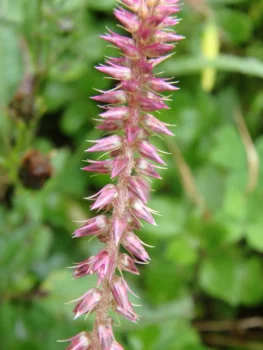
Let’s be honest – devil’s horsewhip isn’t going to win any beauty contests. This plant produces tall, somewhat ungainly stems topped with dense spikes of tiny, greenish flowers that are about as exciting as watching paint dry. While some gardeners might appreciate its rustic, wild appearance, most will find it more weedy than wonderful.
The plant can grow quite tall and tends to have a rather unkempt appearance that doesn’t play well with most landscape designs. If you’re going for that perfectly manicured garden look, this definitely isn’t your plant.
Growing Conditions and Hardiness
Here’s where devil’s horsewhip shows its true colors as a survivor. This plant is remarkably adaptable and can handle:
- Poor, disturbed soils
- Drought conditions
- Hot, humid climates
- USDA hardiness zones 9-11
According to wetland status data, it strongly prefers upland areas and almost never occurs in wetlands across most of its range, though it’s a bit more flexible in Hawaii.
Why You Probably Don’t Want This Plant
While devil’s horsewhip isn’t officially listed as invasive in the provided data, its ability to reproduce spontaneously and persist without human help suggests it’s quite the self-starter. Here’s why most gardeners choose to pass on this plant:
- Limited ornamental value
- Tendency to self-seed and spread
- Weedy appearance
- Better native alternatives available
Wildlife and Pollinator Benefits
Unfortunately, devil’s horsewhip doesn’t offer much in the way of wildlife benefits. Its small, inconspicuous flowers provide minimal attraction for pollinators, and it doesn’t serve as a significant food source for native wildlife. In the grand scheme of creating a wildlife-friendly garden, you’d be better served by other options.
Better Native Alternatives
Instead of devil’s horsewhip, consider these native alternatives that offer similar growing conditions tolerance but with much more garden appeal:
- Native wildflowers suited to your region
- Indigenous grasses that provide wildlife habitat
- Local shrubs that support pollinators and birds
Check with your local native plant society or extension office for the best native options in your specific area.
The Bottom Line
While devil’s horsewhip is a fascinating example of plant adaptability and global travel, it’s not the best choice for intentional garden cultivation. Its weedy nature, limited aesthetic appeal, and minimal wildlife benefits make it more of a botanical curiosity than a landscape star.
If you’re dealing with existing plants on your property, they’re relatively easy to manage through regular weeding. And if you’re looking to fill that spot in your garden with something drought-tolerant and low-maintenance, there are plenty of native alternatives that will give you better results and support your local ecosystem.
Sometimes the best gardening advice is knowing when to say thanks, but no thanks – and devil’s horsewhip is definitely one of those times!