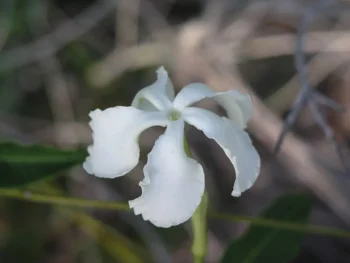
Devil’s Potato: A Mysterious Native Climber Worth Knowing
If you’re looking for a native climbing plant with a memorable name, meet devil’s potato (Echites umbellatus). This intriguing perennial vine is one of those lesser-known native gems that makes you wonder why it’s not gracing more garden trellises and arbors across the Southeast.
What Makes Devil’s Potato Special?
Devil’s potato is a twining, climbing plant that can develop relatively long stems, which may become woody over time. As a true perennial, it returns year after year, making it a potentially valuable addition to gardens seeking long-term vertical interest. The plant belongs to a group with some interesting synonyms, including Echites echites and Echites umbellata, though botanists have settled on Echites umbellatus as the accepted name.
Where Devil’s Potato Calls Home
This native vine has a surprisingly limited natural range. You’ll find devil’s potato growing wild in Florida and on Navassa Island, a small Caribbean island territory of the United States. Its restricted distribution makes it something of a botanical curiosity – a true native that most gardeners have never encountered.
- Species observed
- No observations
The Garden Reality Check
Here’s where things get interesting (and a bit frustrating): devil’s potato is one of those native plants that seems to have slipped through the cracks of horticultural knowledge. While we know it’s a climbing perennial native to our region, specific information about its growing requirements, care needs, and garden performance is surprisingly scarce.
What we do know:
- It’s a perennial climber with twining stems
- The stems can become woody with age
- It’s native to a very limited range in the southeastern United States
- Its common name suggests it might have some interesting folklore behind it
Should You Grow Devil’s Potato?
This is where being a responsible native plant gardener gets tricky. While devil’s potato is undoubtedly native and theoretically desirable for that reason, the lack of cultivation information presents some challenges:
The case for growing it: Supporting native biodiversity is always worthwhile, and climbing natives can provide vertical interest while supporting local ecosystems in ways that non-native vines cannot.
The case for caution: Without clear growing guidelines, hardiness zone information, or care requirements, you’d essentially be experimenting – which might appeal to adventurous gardeners but could frustrate those seeking reliable results.
Alternative Native Climbers to Consider
If you’re drawn to the idea of native climbing plants but want something with proven garden performance, consider these well-documented alternatives:
- American groundnut (Apios americana)
- Crossvine (Bignonia capreolata)
- Coral honeysuckle (Lonicera sempervirens)
- American bittersweet (Celastrus scandens)
The Bottom Line
Devil’s potato represents one of those fascinating gaps in our horticultural knowledge – a native plant that deserves more attention but currently lacks the cultivation information needed for confident gardening recommendations. If you’re in its native range of Florida and have access to responsibly sourced material, it could be worth experimenting with, particularly if you enjoy being a plant pioneer.
For most gardeners, though, choosing one of the many well-documented native climbers might be the more practical path to achieving beautiful, wildlife-friendly vertical gardens. Sometimes the most responsible thing we can do as native plant enthusiasts is acknowledge what we don’t know while working to fill those knowledge gaps for future gardeners.