Devilshead Cactus: A Stunning Native for Desert Gardens
If you’re looking to add some serious desert drama to your landscape, the devilshead cactus might just be your new best friend. This distinctive barrel cactus brings both beauty and resilience to gardens across the American Southwest, proving that native plants can be every bit as captivating as exotic imports.
What Makes Devilshead Special?
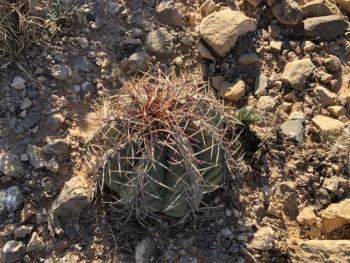
Scientifically known as Echinocactus horizonthalonius var. horizonthalonius, the devilshead is a true native treasure. This perennial cactus calls the Chihuahuan Desert home, naturally occurring across Arizona, New Mexico, and Texas. Its compact, barrel-shaped form and spectacular spring blooms make it a standout choice for gardeners who appreciate both form and function in their landscapes.
- Species observed
- No observations
A Plant That Earns Its Keep
What sets devilshead apart from other cacti is its remarkable combination of toughness and beauty. This hardy perennial forms a distinctive spherical shape with pronounced ribs decorated by clusters of formidable spines. But don’t let those spines fool you into thinking it’s all defense – come spring, this cactus produces stunning pink to magenta flowers that crown the plant like a desert tiara.
Perfect for Desert-Style Gardens
Devilshead cactus shines brightest in:
- Xeriscaping projects where water conservation is key
- Desert and southwestern-themed landscapes
- Rock gardens that need a bold focal point
- Succulent collections seeking native authenticity
- Low-maintenance landscapes for busy gardeners
As a specimen plant, devilshead commands attention without demanding constant care. Its compact size makes it perfect for smaller spaces, while its striking appearance ensures it won’t get lost among other plants.
Growing Devilshead Successfully
The beauty of growing native plants like devilshead is that you’re working with nature, not against it. This cactus thrives in USDA hardiness zones 8-10, making it suitable for much of the southern and southwestern United States.
Getting the Conditions Right
Devilshead has simple but non-negotiable requirements:
- Sunlight: Full sun is essential – this desert native needs at least 6-8 hours of direct sunlight daily
- Soil: Well-draining soil is absolutely critical. Heavy clay or water-retentive soils will kill this plant faster than you can say root rot
- Water: Less is definitely more. Once established, natural rainfall is often sufficient
- Temperature: Handles heat like a champ but needs protection from hard freezes
Planting and Care Tips
Spring is the ideal time to plant devilshead cactus. Here’s how to set your new plant up for success:
- Choose a location with excellent drainage and full sun exposure
- If your soil is heavy, consider raised beds or containers with cactus potting mix
- Water sparingly after planting, then reduce frequency as the plant establishes
- Avoid fertilizing – this tough native prefers lean conditions
- In areas that experience hard freezes, provide protection or grow in containers that can be moved
Supporting Local Wildlife
One of the best reasons to choose devilshead is its value to native wildlife. The spring flowers attract desert-adapted bees, butterflies, and other pollinators, while the plant itself provides shelter for small desert creatures. By choosing native plants like devilshead, you’re creating habitat that supports the entire desert ecosystem.
Is Devilshead Right for Your Garden?
Devilshead cactus is an excellent choice if you:
- Live in zones 8-10 with hot, dry summers
- Want a low-maintenance plant that looks great year-round
- Are creating a water-wise landscape
- Appreciate unique architectural plants
- Want to support native pollinators and wildlife
However, this might not be the plant for you if you have heavy, poorly-draining soil that you can’t amend, live in an area with high humidity and frequent rain, or prefer plants that need regular watering and attention.
The Bottom Line
Devilshead cactus proves that native plants can be both beautiful and practical. With its stunning flowers, architectural form, and incredible drought tolerance, this desert native offers everything you could want in a landscape plant. Plus, by choosing native species, you’re supporting local ecosystems while creating a garden that’s perfectly adapted to your regional climate. In the world of sustainable gardening, that’s what we call a win-win.