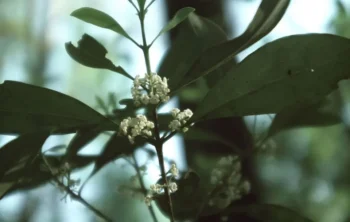
Devilwood: The Unsung Hero of Southern Native Landscaping
Don’t let the intimidating name fool you – devilwood (Osmanthus americanus) is actually an angelic addition to any Southern garden. This native evergreen shrub might not have the flashiest marketing team, but it’s been quietly perfecting the art of low-maintenance beauty in Southeastern forests for centuries.
What Exactly is Devilwood?
Devilwood is a perennial, multi-stemmed woody shrub that typically grows less than 13-16 feet in height, though it usually stays much more manageable in garden settings. As a true native of the lower 48 states, this resilient plant has earned its place in the natural landscape through decades of adaptation to local conditions.
You might occasionally see it listed under its scientific synonym Cartrema americana, but Osmanthus americanus is the accepted name for this southeastern treasure.
Where Does Devilwood Call Home?
This native beauty naturally occurs across the southeastern United States, thriving in Alabama, Florida, Georgia, Louisiana, Mississippi, North Carolina, South Carolina, Texas, and Virginia. It’s perfectly adapted to the warm, humid conditions of the coastal plains and lower elevations of these states.
- Species observed
- No observations
Why Your Garden Will Love Devilwood
Here’s where devilwood really shines – it’s the ultimate low-maintenance landscaping solution. This evergreen shrub offers year-round structure with its glossy, leathery leaves that stay beautiful through all seasons. In spring, it produces small, sweetly fragrant white flowers that may be modest in size but pack a powerful aromatic punch.
The real show-stopper comes later in the season when the plant develops dark blue-black berries that provide food for local wildlife. It’s like having a native cafeteria right in your backyard!
Perfect Spots for Planting
Devilwood is incredibly versatile when it comes to garden placement:
- Woodland gardens where it can mimic its natural forest understory habitat
- Foundation plantings for evergreen structure
- Naturalistic landscapes and native plant gardens
- Coastal gardens where it can handle salt spray and sandy soils
- Privacy screening in informal settings
Growing Conditions Made Simple
One of the best things about devilwood is its adaptability. This plant has facultative wetland status across its range, meaning it’s equally happy in both wetland and non-wetland conditions – talk about flexibility!
Light: Partial shade to full sun (though it appreciates some afternoon shade in hotter climates)
Soil: Adaptable to various soil types including sandy coastal soils and heavier clay
Water: Moist to well-draining conditions; drought tolerant once established
Hardiness: USDA Zones 7-10
Planting and Care Tips
The beauty of devilwood lies in its simplicity. Here’s how to set it up for success:
- Best planting time: Spring or fall when temperatures are moderate
- Spacing: Allow plenty of room for its mature size – it appreciates good air circulation
- Watering: Regular water the first year, then it becomes quite drought tolerant
- Fertilizing: Generally unnecessary – native soils provide all it needs
- Pruning: Minimal pruning required; just remove dead or crossing branches as needed
Wildlife and Pollinator Benefits
While devilwood’s flowers might look understated, they’re actually pollinator magnets. Bees and other small pollinators flock to the fragrant spring blooms, while the later berries provide important food sources for birds and small mammals throughout the fall and winter months.
The Bottom Line
If you’re looking for a native plant that delivers maximum impact with minimum fuss, devilwood deserves a spot on your shortlist. It provides evergreen structure, feeds local wildlife, supports pollinators, and asks for virtually nothing in return except a spot in your garden. Sometimes the best plants are the ones that just quietly do their job year after year – and devilwood has definitely mastered that art.
For gardeners in the Southeast looking to create sustainable, low-maintenance landscapes that support local ecosystems, devilwood offers the perfect combination of beauty, functionality, and native authenticity. Despite its devilish name, this plant is pure garden gold.