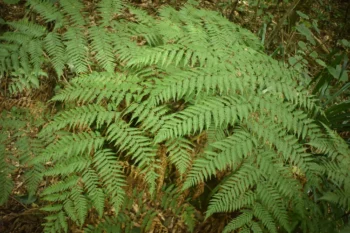
Diamondleaf Fern: A Majestic Native for Tropical Gardens
If you’re dreaming of adding some serious tropical drama to your garden, let me introduce you to the diamondleaf fern (Lophosoria quadripinnata). This stunning native Puerto Rican fern isn’t your average houseplant – it’s a show-stopping specimen that can transform any shaded corner into a lush, prehistoric paradise.
What Makes the Diamondleaf Fern Special
The diamondleaf fern gets its name from the distinctive diamond-shaped pattern created by its quadripinnate fronds (that’s fancy fern-speak for divided four times over). This perennial beauty develops into an impressive shrub-like structure, creating layers upon layers of delicate, feathery foliage that dance gracefully in the breeze.
What really sets this fern apart is its architectural presence. Unlike smaller ferns that hug the ground, the diamondleaf fern grows upright and substantial, making it perfect for creating vertical interest and natural privacy screens in your garden.
Native Status and Where It Grows
This gorgeous fern is a true Puerto Rican native, making it an excellent choice for gardeners in the region who want to support local ecosystems. Currently, it’s documented as growing naturally in Puerto Rico, where it thrives in the island’s warm, humid climate.
- Species observed
- No observations
Perfect Growing Conditions
The diamondleaf fern is what we call a facultative wetland plant, which means it’s happiest with consistent moisture but can tolerate periods where the soil isn’t quite as soggy. Here’s what this tropical beauty needs to thrive:
- Light: Shade to partial shade – think dappled sunlight under tree canopies
- Soil: Moist, well-draining, organic-rich soil
- Humidity: High humidity levels (this is a tropical native, after all!)
- Temperature: USDA hardiness zones 10-12 only
- Water: Consistent moisture without waterlogging
Garden Design Ideas
The diamondleaf fern is a fantastic choice for several garden styles:
- Tropical gardens: Use as a backdrop plant or specimen focal point
- Shade gardens: Perfect for adding structure to areas where flowering plants struggle
- Woodland gardens: Creates natural-looking layers and textures
- Rain gardens: Its wetland tolerance makes it ideal for areas that collect water
Wildlife and Ecosystem Benefits
While ferns don’t produce flowers to attract pollinators like bees and butterflies, they offer other valuable benefits to wildlife. The dense fronds provide excellent shelter and nesting sites for birds and small creatures, and the moist microclimate they create supports beneficial insects and other small wildlife.
Growing Tips for Success
Growing diamondleaf fern successfully is all about mimicking its natural tropical habitat:
- Plant in a protected location away from strong winds that can damage the delicate fronds
- Mulch heavily around the base to retain moisture and suppress weeds
- Water regularly during dry spells, but ensure good drainage
- Remove old or damaged fronds to keep the plant looking tidy
- Consider growing in large containers if you live outside zones 10-12
Is This Fern Right for Your Garden?
The diamondleaf fern is an excellent choice if you:
- Garden in USDA zones 10-12
- Have shaded or partially shaded areas that need structure
- Want to support native Puerto Rican plants
- Love the tropical, lush look
- Have consistent access to water for irrigation
However, this beauty might not be the best fit if you’re gardening in cooler climates, have very dry conditions, or prefer low-maintenance plants that can handle neglect.
The Bottom Line
The diamondleaf fern is a spectacular native choice for tropical gardeners who want to add dramatic foliage and support local ecosystems. With its impressive size, unique frond pattern, and relatively straightforward care requirements, it’s definitely worth considering for your shade garden. Just make sure you can provide the warm, humid conditions this tropical beauty craves, and you’ll be rewarded with years of stunning, architectural greenery.