Diamondleaf Fogfruit: A Hardy Groundcover for Warm Climate Gardens
Looking for a tough, low-maintenance groundcover that can handle challenging growing conditions? Meet diamondleaf fogfruit (Phyla fruticosa), also known as diamondleaf frogfruit. This resilient perennial might just be the solution you’ve been searching for, especially if you’re gardening in warmer climates where many other groundcovers struggle to thrive.
What is Diamondleaf Fogfruit?
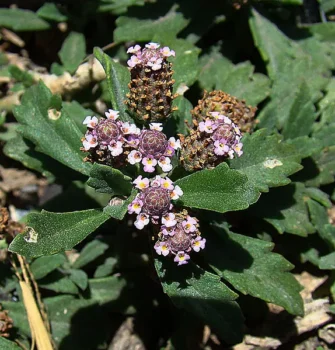
Diamondleaf fogfruit is a low-growing perennial forb that spreads to form a dense mat of foliage. True to its name, this plant produces small, diamond-shaped leaves with distinctly serrated edges that give it a unique texture in the landscape. The plant belongs to the verbena family and produces tiny white to pale purple flowers arranged in dense, cylindrical spikes that rise above the foliage.
As a forb, this plant lacks significant woody tissue above ground, instead maintaining its perennial nature through buds that overwinter at or below the soil surface. This growth habit makes it an excellent choice for areas where you want persistent coverage without the bulk of shrubs or trees.
Native Status and Distribution
While diamondleaf fogfruit has established itself in several southern U.S. states, it’s important to understand its origins. This species is not native to the continental United States, though it is native to U.S. territories including Puerto Rico and the Virgin Islands. In the mainland U.S., you’ll find established populations in Florida, Louisiana, and Texas, where it has naturalized and reproduces without human intervention.
- Species observed
- No observations
The plant’s natural range extends throughout tropical and subtropical regions of the Americas, including parts of the Caribbean, Central America, and northern South America. Its ability to thrive in these warm, often challenging climates hints at its potential value in similar growing conditions.
Why Consider Diamondleaf Fogfruit?
There are several compelling reasons why gardeners in appropriate climates might choose this hardy groundcover:
- Extreme drought tolerance: Once established, this plant can survive extended dry periods with little to no supplemental watering
- Salt tolerance: Perfect for coastal gardens where salt spray challenges many other plants
- Pollinator magnet: The small but numerous flowers attract butterflies, bees, and other beneficial insects
- Erosion control: The spreading growth habit helps stabilize soil on slopes or disturbed areas
- Low maintenance: Requires minimal care once established
- Versatile growing conditions: Adapts to both wetland and upland situations
Garden Applications and Design Role
Diamondleaf fogfruit works well in several landscape situations. Consider it for coastal gardens where salt tolerance is crucial, or in xeriscapes where water conservation is a priority. It makes an excellent addition to butterfly gardens, providing nectar for adult butterflies while requiring minimal resources.
The plant’s low, spreading habit makes it ideal for naturalizing large areas, covering slopes for erosion control, or filling in spaces between stepping stones or pavers. Its ability to tolerate both wet and dry conditions makes it particularly versatile for areas with variable moisture levels.
Growing Conditions and Care
Diamondleaf fogfruit thrives in USDA hardiness zones 8 through 11, making it suitable for gardeners in the warmest parts of the United States. The plant performs best in full sun but can tolerate partial shade, though flowering may be reduced in shadier locations.
One of this plant’s greatest assets is its adaptability to various soil conditions. It tolerates poor soils that would challenge many other plants and doesn’t require fertilization. The plant’s facultative wetland status means it can handle both well-drained upland sites and areas with occasional flooding or consistently moist conditions.
Planting and Establishment
Getting diamondleaf fogfruit established is refreshingly straightforward. Plant in spring after the last frost date, spacing plants according to how quickly you want coverage. Water regularly during the first few weeks to help establish the root system, but once established, the plant becomes quite drought tolerant.
Be aware that this groundcover can spread aggressively once established. While this is great for quick coverage of large areas, you may need to manage its spread in smaller garden spaces or near more delicate plantings.
Considerations and Alternatives
While diamondleaf fogfruit offers many benefits, it’s worth considering native alternatives that might provide similar functions while supporting local ecosystems more directly. Depending on your region, native options might include wild strawberry, creeping phlox, or regional sedges that offer groundcover benefits while supporting native wildlife.
Since this plant can spread readily, monitor its growth and be prepared to manage its expansion if needed. In areas where it’s not currently established, check with local extension services or native plant societies for guidance on the most appropriate groundcover choices for your specific location.
The Bottom Line
Diamondleaf fogfruit represents a practical choice for gardeners dealing with challenging growing conditions in warm climates. Its combination of drought tolerance, pollinator appeal, and low maintenance requirements makes it a valuable tool in the landscape designer’s toolkit. Just remember to consider native alternatives first, and if you do choose this species, be prepared to manage its enthusiastic spreading habit. With proper consideration and care, it can provide years of reliable groundcover performance in the right setting.