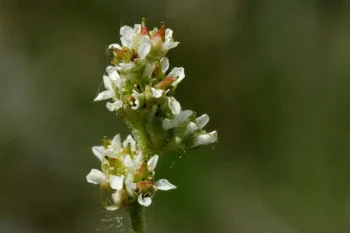
Diamondleaf Saxifrage: A Hidden Gem for Rock Gardens
If you’re looking for a charming native perennial that thrives in challenging rocky conditions, diamondleaf saxifrage (Saxifraga rhomboidea) might just be the perfect addition to your garden. This delightful little forb brings early spring blooms and unique foliage to spaces where many other plants struggle to survive.
What Is Diamondleaf Saxifrage?
Diamondleaf saxifrage is a native perennial forb that forms attractive low-growing rosettes of distinctive diamond-shaped leaves. As a herbaceous plant without woody stems, it dies back to ground level each winter and emerges fresh each spring. This hardy little plant has been quietly beautifying the American West for generations, and it’s ready to do the same for your garden.
Where Does It Call Home?
This native beauty has quite an impressive range across the western United States. You’ll find diamondleaf saxifrage growing naturally in Arizona, Colorado, Idaho, Montana, Nevada, New Mexico, Oregon, Utah, and Wyoming. It’s perfectly adapted to the challenging conditions of mountain and high desert environments.
- Species observed
- No observations
Why Choose Diamondleaf Saxifrage for Your Garden?
There are several compelling reasons to consider this native plant for your landscape:
- Native advantage: As a true native species, it supports local ecosystems and requires less water and maintenance once established
- Early pollinator support: Its small white flower clusters bloom in early spring, providing nectar for flies, small bees, and other pollinators when few other flowers are available
- Unique appearance: The diamond-shaped leaves create interesting texture and form, even when the plant isn’t blooming
- Problem-solver: Perfect for those tricky spots with rocky or poor soil where other plants won’t thrive
Perfect Garden Settings
Diamondleaf saxifrage shines brightest in specialized garden settings:
- Rock gardens: Its natural habitat makes it ideal for nestling between stones and boulders
- Alpine gardens: Creates authentic mountain meadow appeal
- Naturalistic landscapes: Perfect for recreating western mountain ecosystems
- Ground cover: Works well as a low-maintenance ground cover in appropriate conditions
Growing Conditions and Care
Success with diamondleaf saxifrage comes down to understanding its mountain origins:
- Soil: Excellent drainage is absolutely critical – think rocky, gravelly, or sandy soils
- Light: Thrives in partial shade to full sun
- Water: Prefers cool, moist conditions in spring but tolerates drier summers
- Climate: Hardy in USDA zones 4-8, perfect for cooler mountain and northern climates
Planting and Care Tips
Getting diamondleaf saxifrage established successfully requires attention to a few key details:
- Drainage first: If your soil doesn’t drain well naturally, amend with gravel or plant in raised beds
- Mulch with gravel: Skip the wood chips and use fine gravel mulch to mimic natural conditions
- Water wisely: Keep soil consistently moist in spring, but avoid overwatering during hot summer months
- Location matters: Choose spots that mirror its native habitat – rocky slopes, crevices, or well-draining hillsides
Special Considerations
Diamondleaf saxifrage has an interesting relationship with water. Its wetland status varies by region – it can handle both wetland and non-wetland conditions depending on your location. In the Arid West, it leans more toward wetland areas, while in the Great Plains and Western Mountains regions, it’s equally comfortable in various moisture conditions. This adaptability makes it quite versatile for different garden situations.
Is Diamondleaf Saxifrage Right for Your Garden?
Consider this native beauty if you have challenging rocky areas, want to support native ecosystems, or are creating an authentic western mountain garden. However, it might not be the best choice if you have heavy clay soil with poor drainage or are looking for a bold, showy specimen plant. Its charm lies in its subtle beauty and ecological benefits rather than dramatic visual impact.
With its early spring blooms, unique foliage, and native credentials, diamondleaf saxifrage offers a wonderful opportunity to bring a piece of the American West’s natural beauty into your garden while supporting local wildlife and pollinators.