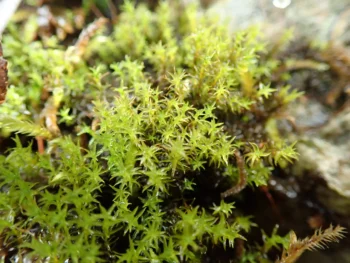
Dichodontium Moss: The Translucent Treasure Hiding in Your Garden
Have you ever noticed tiny, silvery-green patches carpeting the shaded corners of your garden? You might be looking at dichodontium moss (Dichodontium pellucidum), a fascinating native bryophyte that’s been quietly beautifying North American landscapes for centuries. While most gardeners focus on flashy flowers and towering trees, this humble moss deserves a moment in the spotlight.
What Exactly Is Dichodontium Moss?
Dichodontium moss is a terrestrial bryophyte – think of it as nature’s original ground cover. Unlike the plants you’re used to, mosses don’t have true roots, stems, or leaves in the traditional sense. Instead, they’re made up of tiny, translucent structures that give this particular species its almost magical, see-through appearance when conditions are just right.
This moss is a native North American species, meaning it has been naturally occurring across the continent long before European settlement. You’ll often find it attached to rocks, fallen logs, or even growing directly on soil in shaded, moist areas.
Where Can You Find It?
Dichodontium moss has a wide geographical distribution across North America, thriving in temperate regions from coast to coast. It’s particularly common in woodland areas, shaded ravines, and anywhere moisture lingers a bit longer than usual.
Is It Beneficial for Your Garden?
Absolutely! While dichodontium moss won’t attract butterflies or hummingbirds (mosses don’t produce flowers), it offers several understated benefits:
- Natural erosion control: Its dense, low-growing habit helps stabilize soil on slopes and around water features
- Moisture retention: Acts like a living sponge, helping maintain consistent soil moisture for nearby plants
- Wildlife habitat: Provides shelter for tiny insects and microorganisms that form the base of garden food webs
- Year-round interest: Unlike many garden plants, moss looks good in all seasons
- Low maintenance: Once established, it requires virtually no care
How to Identify Dichodontium Moss
Spotting this moss is easier than you might think once you know what to look for:
- Size: Forms small, low patches typically 1-3 inches tall
- Color: Bright green when moist, silvery-green to almost translucent when dry
- Texture: Soft and cushion-like, with individual leaves that appear delicate and see-through
- Habitat: Look for it in consistently moist, shaded areas, often on rocks, rotting wood, or acidic soil
- Growth pattern: Spreads slowly in irregular patches rather than forming perfect circles
Creating Moss-Friendly Conditions
While you can’t exactly plant moss like a typical garden plant, you can certainly encourage its natural establishment:
- Maintain consistent moisture: Moss thrives in areas that stay damp but not waterlogged
- Provide shade: Direct sunlight is moss’s enemy – aim for dappled or full shade
- Keep soil slightly acidic: Most mosses, including dichodontium, prefer acidic conditions
- Minimize foot traffic: These delicate plants don’t bounce back quickly from trampling
- Reduce competition: Clear away fallen leaves and debris that might smother young moss growth
The Bottom Line
Dichodontium moss might not be the showstopper of your garden, but it’s definitely worth appreciating – and encouraging. This native species adds subtle beauty, provides ecological benefits, and requires virtually no maintenance once established. Rather than fighting against moss in shaded areas of your garden, why not embrace this translucent treasure and let it work its quiet magic?
Next time you’re wandering through the shadier corners of your landscape, take a closer look at those silvery-green patches. You might just discover you’ve been hosting this remarkable native moss all along.