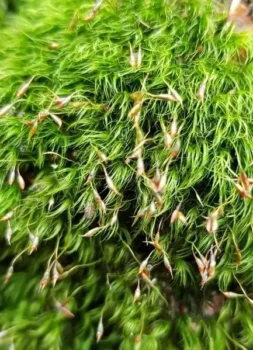
Dicranella Moss: The Tiny Green Carpet You Never Knew Your Garden Needed
If you’ve ever taken a closer look at the green fuzzy stuff growing on rocks, tree bases, or damp soil in shaded areas, you might have encountered dicranella moss (Dicranella heteromalla). This unassuming little bryophyte is one of those garden residents that works quietly behind the scenes, providing benefits you probably never considered.
What Exactly Is Dicranella Moss?
Dicranella moss is a small, terrestrial moss that belongs to the bryophyte family – those ancient, non-flowering plants that include mosses, liverworts, and hornworts. Unlike your typical garden plants, this little green wonder doesn’t have true roots, stems, or leaves in the traditional sense. Instead, it forms small, cushion-like patches that can carpet forest floors, rock surfaces, and other suitable spots with a soft, velvety texture.
This moss is native to North America and can be found naturally growing in states like New Jersey and New York, though its range likely extends beyond these documented locations. It’s part of our native ecosystem and has been quietly doing its job for thousands of years.
- Species observed
- No observations
Why Your Garden Might Actually Want This Moss Around
Before you reach for that moss killer, consider what dicranella moss brings to your outdoor space:
- Natural erosion control: Those tiny structures help hold soil in place on slopes and exposed areas
- Moisture regulation: Moss acts like a natural sponge, absorbing water during rain and slowly releasing it
- Habitat creation: Small insects and other tiny creatures use moss patches as shelter
- Low-maintenance ground cover: Once established, it requires zero fertilizer, minimal water, and never needs mowing
- Aesthetic appeal: That bright green color adds a lush, woodland feel to shaded garden areas
How to Identify Dicranella Moss
Spotting dicranella moss requires getting down to its level – literally. Look for these characteristics:
- Small, cushion-forming patches typically less than an inch tall
- Bright green color when moist, often appearing more yellowish when dry
- Fine, hair-like structures (technically called leaves, but they’re quite different from plant leaves)
- Often found on soil, rocks, or the base of trees in shaded, moist areas
- Tends to grow in colonies rather than as isolated patches
Creating Moss-Friendly Conditions
While you can’t exactly plant dicranella moss like you would a perennial, you can certainly encourage its presence in your garden. This moss thrives in:
- Shaded to partially shaded locations
- Areas with consistent moisture but good drainage
- Spots with good air circulation
- Places protected from heavy foot traffic
- Acidic to neutral soil conditions
The Moss-Friendly Garden Approach
If you’re interested in incorporating more moss into your landscape design, consider creating dedicated moss areas in woodland gardens, around the base of mature trees, or in rock gardens. Remember that moss doesn’t compete well with aggressive weeds or grass, so these areas work best when they’re naturally separated from high-maintenance lawn spaces.
The beauty of working with native mosses like dicranella moss lies in their self-sufficiency. Once conditions are right, they’ll often appear on their own, creating those magical, fairy-tale garden moments that make you stop and appreciate the smaller wonders in your outdoor space.
A Different Kind of Garden Helper
Dicranella moss might not produce showy flowers or attract butterflies, but it offers something equally valuable: a connection to the ancient, quiet side of nature that many modern gardens have lost. In a world of high-maintenance landscapes, there’s something refreshing about a plant that asks for nothing more than a little shade and moisture in return for its steady, unassuming presence.
So the next time you spot that green fuzz in a corner of your garden, take a moment to appreciate this small but mighty native plant that’s been perfecting the art of simple living for millennia.