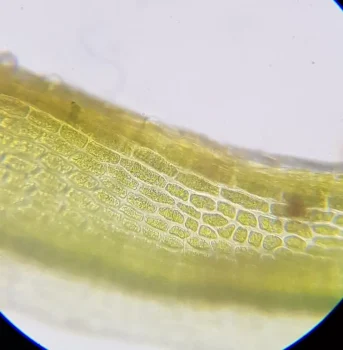
Dicranoweisia Moss: The Tiny Native That’s Quietly Working in Your Garden
Meet dicranoweisia moss (Dicranoweisia cirrata), one of North America’s unsung botanical heroes. While most gardeners are busy fussing over flashy flowers and towering trees, this humble little moss is quietly going about its business, creating its own tiny ecosystems right under our noses. Don’t let its small stature fool you – this native bryophyte has some pretty impressive tricks up its microscopic sleeves.
What Exactly Is Dicranoweisia Moss?
Dicranoweisia moss belongs to the fascinating world of bryophytes – those ancient, non-flowering plants that have been around since long before your grandmother’s roses even dreamed of existing. As a terrestrial moss, it’s perfectly content living life close to the ground, often choosing to make its home on rocks, fallen logs, or even the bark of living trees rather than settling into soil like most plants we’re familiar with.
This little green carpet-maker is completely herbaceous, meaning it stays soft and green year-round (when conditions are right). You might also encounter it under its scientific alias, Didymodon hinckleyi, though most of us can stick with the much more pronounceable dicranoweisia moss.
Where to Spot This Native Beauty
As a true North American native, dicranoweisia moss has been calling this continent home for ages. You’re most likely to stumble across it in various habitats across the region, though it tends to keep a low profile – literally and figuratively.
Why Your Garden Might Already Love This Moss
Here’s where things get interesting: you might already have dicranoweisia moss living in your garden without even knowing it! Unlike the plants you deliberately chose and planted, this moss is a master of showing up uninvited and making itself useful. And honestly? You should probably thank it.
The Secret Benefits of Having Moss Around
While dicranoweisia moss won’t attract butterflies or hummingbirds (it doesn’t produce flowers, after all), it’s working behind the scenes in other ways:
- Prevents soil erosion by creating a protective ground cover
- Helps retain moisture in the soil beneath it
- Provides habitat for tiny creatures that contribute to your garden’s ecosystem
- Adds natural texture and visual interest to rock gardens and naturalistic landscapes
- Requires absolutely zero maintenance once it’s established
Identifying Dicranoweisia Moss in the Wild
Spotting dicranoweisia moss requires looking closely – we’re talking about a plant that measures its height in millimeters, not inches. Look for small, cushion-like patches of green growth on rocks, logs, or tree bark. The individual plants are tiny and often grow in dense colonies that form soft, green mats.
The leaves are narrow and tend to curl when dry, then perk up again when moisture returns – a neat little survival trick that helps it weather dry spells. If you’re lucky enough to catch it during its reproductive phase, you might spot tiny, hair-like structures called setae rising above the main plant body.
Should You Encourage It in Your Garden?
If dicranoweisia moss decides to move into your garden, consider yourself lucky to have such a low-maintenance, native resident. It’s particularly at home in:
- Rock gardens where it can nestle between stones
- Xeriscapes and drought-tolerant landscapes
- Areas where you want natural-looking ground cover
- Spots where other plants struggle to establish
The best part? Once it’s there, you can basically forget about it. This moss is the ultimate set-it-and-forget-it plant, thriving in conditions ranging from partial shade to full sun and handling everything from dry spells to moderate moisture with equal aplomb.
The Bottom Line on This Tiny Native
Dicranoweisia moss might not win any garden beauty contests, but it’s a perfect example of how sometimes the smallest players make the biggest difference. As a native species that asks for nothing and gives back plenty in terms of soil protection and ecosystem support, it’s the kind of plant that makes you appreciate the quiet workers in nature’s grand design.
So next time you’re wandering through your garden, take a moment to look down and see if this little moss has made itself at home. If it has, give it a nod of appreciation – you’re looking at a tiny but mighty piece of North American natural heritage that’s been perfecting the art of simple living for millennia.