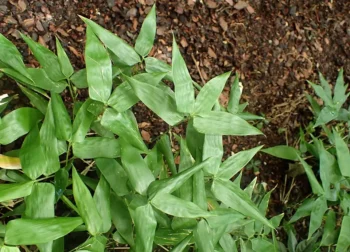
Diente de Perro: A Lesser-Known Native Grass of Puerto Rico
If you’re passionate about native gardening in Puerto Rico, you might stumble across the intriguingly named diente de perro (Lithachne pauciflora) in your research. This perennial grass species represents one of those wonderful botanical mysteries that remind us just how much we still have to learn about our local flora.
What is Diente de Perro?
Diente de perro, which translates to dog’s tooth in English, is a native perennial grass species that belongs to the diverse world of grasses and grass-like plants. Like many members of the grass family, it has adapted to life in the Caribbean climate and represents part of Puerto Rico’s unique botanical heritage.
You might also encounter this plant listed under its botanical synonym, Olyra pauciflora, in older botanical references, but Lithachne pauciflora is the currently accepted scientific name.
Where Does It Grow?
This native grass calls Puerto Rico home, where it has evolved alongside the island’s other indigenous plant species. As a facultative upland species, diente de perro typically prefers drier conditions but can occasionally tolerate wetter environments – making it somewhat adaptable to different moisture levels in the landscape.
- Species observed
- No observations
Should You Grow Diente de Perro?
Here’s where things get interesting – and a bit challenging. While diente de perro has the appealing qualities of being a native perennial that could theoretically support local ecosystems, there’s remarkably little information available about actually growing this grass in cultivation.
The Challenge of Lesser-Known Natives
Diente de perro represents a common dilemma for native plant enthusiasts: we know it exists, we know it’s native, but practical growing information is scarce. This lack of cultivation knowledge might mean:
- Seeds or plants may be difficult to source from nurseries
- Specific growing requirements remain largely undocumented
- Its ornamental value and landscape applications are unclear
- Propagation methods haven’t been well-established for home gardeners
What This Means for Your Garden
If you’re committed to native gardening in Puerto Rico, you might consider diente de perro as part of a broader conservation effort rather than a typical landscape plant. However, without clear growing guidelines, it’s probably wise to start with better-documented native grasses and plants that have established cultivation practices.
The Bigger Picture
Plants like diente de perro highlight an important aspect of native gardening: not every native species makes a practical garden plant, at least not without more research and development of cultivation techniques. Sometimes the most valuable thing we can do is simply acknowledge these species exist and support broader conservation efforts that protect their natural habitats.
If you’re determined to work with native grasses in Puerto Rico, consider reaching out to local botanical gardens, universities, or native plant societies who might have more specific knowledge about cultivating lesser-known species like diente de perro. They might be working on propagation research or know of specialized sources for native seeds.
The Bottom Line
While diente de perro certainly deserves recognition as part of Puerto Rico’s native flora, it’s not quite ready for mainstream gardening. For now, it remains one of those intriguing botanical puzzles that reminds us there’s still so much to discover about the plants growing right in our own backyards.