Diffuse Spineflower: A Delicate California Native Worth Discovering
Meet the diffuse spineflower (Chorizanthe diffusa), one of California’s more understated native wildflowers that proves good things really do come in small packages. This dainty annual might not win any showiest flower contests, but it has a quiet charm that’s perfect for gardeners who appreciate the subtle beauty of native plants.
What is Diffuse Spineflower?
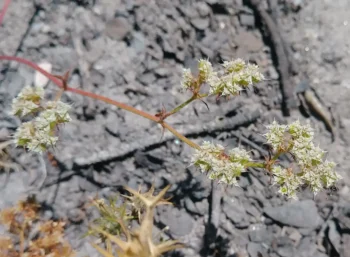
Diffuse spineflower is a native California annual forb—essentially a soft-stemmed flowering plant without woody growth. True to its name, this little plant creates a diffuse, branching display of tiny white to pinkish flowers that seem to float on thin, wiry stems. It’s like nature’s version of baby’s breath, but with a distinctly Californian personality.
As an annual, diffuse spineflower completes its entire life cycle in one year, germinating with fall rains, blooming in spring, and setting seed before the harsh summer heat arrives. This survival strategy makes perfect sense in California’s Mediterranean climate.
Where Does it Grow Naturally?
This charming wildflower is endemic to California, meaning you won’t find it growing wild anywhere else in the world. It’s primarily found in the Central Valley and adjacent foothills, where it has adapted to the state’s unique climate patterns of wet winters and dry summers.
- Species observed
- No observations
Should You Plant Diffuse Spineflower in Your Garden?
Important note about rarity: Diffuse spineflower has a conservation status that suggests it may be uncommon in the wild. If you choose to grow this plant, please ensure you source seeds or plants from reputable native plant nurseries that collect responsibly and don’t impact wild populations.
Here’s why you might want to consider this native:
- True California native: Supporting local ecosystems and wildlife
- Low maintenance: Once established, requires minimal care
- Pollinator support: Attracts beneficial small native bees and insects
- Authentic wildflower look: Perfect for naturalized areas
- Water-wise: Adapted to California’s dry summers
However, this might not be the plant for you if you’re looking for:
- Bold, showy flowers for high-impact displays
- Year-round foliage or blooms
- Plants for formal, manicured landscapes
- Large-scale ground cover
Growing Conditions and Care
USDA Hardiness Zones: 8-10 (primarily California’s Mediterranean climate zones)
Soil: Well-drained soils are essential. Diffuse spineflower adapts to various soil types, from sandy to clay, but cannot tolerate soggy conditions.
Sun: Full sun is preferred, though it can handle some light shade.
Water: Follow nature’s lead—provide water during fall and winter, then allow plants to dry out in summer. Overwatering during the dry season can actually harm or kill the plants.
Planting and Care Tips
- Timing: Direct seed in fall (October-November) to align with natural rainfall patterns
- Seed preparation: Seeds may benefit from a cold stratification period
- Spacing: Scatter seeds naturally for a wildflower look, or space deliberately for more control
- Watering: Water gently after seeding, then rely on winter rains
- Maintenance: Minimal intervention needed; let plants complete their natural cycle
- Seed collection: Allow some plants to set seed for next year’s display
Garden Design Ideas
Diffuse spineflower shines in:
- Native plant gardens: Mix with other California annuals and perennials
- Wildflower meadows: Perfect for naturalized areas
- Rock gardens: Its delicate form complements rocky settings
- Restoration projects: Helps recreate authentic California plant communities
- Seasonal borders: Provides spring interest in areas that rest during summer
Wildlife and Ecosystem Benefits
While small, diffuse spineflower plays an important role in California’s native ecosystem. Its flowers provide nectar for small native bees and other beneficial insects. The seeds may also provide food for small birds and other wildlife.
The Bottom Line
Diffuse spineflower is a plant for gardeners who appreciate subtlety and want to support California’s native flora. It’s not going to stop traffic with showy blooms, but it will add authentic charm to naturalized areas while supporting local pollinators. Just remember to source it responsibly and let it follow its natural rhythm of growth and dormancy.
If you’re creating a true California native garden or restoration project, this delicate annual deserves consideration. It’s a small way to preserve and celebrate the Golden State’s unique botanical heritage—and sometimes the smallest gestures make the biggest difference.