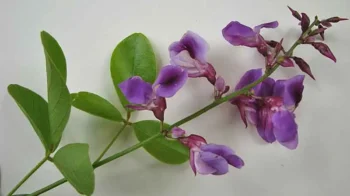
Dioclea: The Climbing Bean That’s Both Friend and Stranger
If you’re looking for a vigorous climbing vine that produces stunning purple flowers and can transform a bare fence into a living wall, dioclea might just catch your eye. This perennial climber belongs to the legume family and brings both beauty and some complexity to the garden conversation.
What Exactly Is Dioclea?
Dioclea is a genus of twining and climbing plants with relatively long stems that can be either woody or herbaceous, depending on the species. These vigorous climbers are known for their showy, pea-like flowers that typically bloom in shades of purple, violet, or pink, arranged in attractive clusters. The flowers are followed by distinctive large, flat seed pods that add another layer of visual interest.
Where Does Dioclea Call Home?
Here’s where things get interesting with dioclea – its native status is quite the mixed bag. This plant is native to the lower 48 states and Puerto Rico, making it a legitimate native choice in much of the southeastern United States. However, it’s considered non-native in Hawaii and other parts of the Pacific Basin, where it has been introduced and now reproduces spontaneously in the wild.
Currently, you can find dioclea growing in these locations: Alabama, Arkansas, Florida, Georgia, Hawaii, Illinois, Kentucky, Louisiana, Mississippi, Oklahoma, Tennessee, Texas, Palau, and Puerto Rico.
- Species observed
- No observations
Should You Plant Dioclea in Your Garden?
The answer depends largely on where you live. If you’re gardening in the southeastern United States where dioclea is native, it can be a wonderful addition to your landscape. However, if you’re in an area where it’s not native, you might want to consider local alternatives first.
The Good News About Dioclea:
- Produces attractive purple, pink, or violet flowers that appeal to pollinators
- Fast-growing vine perfect for covering fences, trellises, or pergolas
- As a legume, it can help improve soil nitrogen levels
- Provides vertical interest and seasonal color
- Relatively low-maintenance once established
Things to Consider:
- Can be quite vigorous and may need regular pruning
- Not native everywhere it’s currently growing
- May self-seed readily in favorable conditions
Growing Dioclea Successfully
If you decide dioclea is right for your garden, here’s how to give it the best start:
Ideal Growing Conditions:
- Full sun to partial shade (full sun preferred for best flowering)
- Well-draining soil of average fertility
- Warm temperatures – typically hardy in USDA zones 8-11
- Adequate moisture, especially during establishment
Planting and Care Tips:
- Provide sturdy support structures from the start – this vine means business
- Water regularly during the first growing season to establish strong roots
- Minimal fertilization needed thanks to its nitrogen-fixing abilities
- Prune as needed to control size and shape
- Monitor for self-seeding if you’re in an area where it’s not native
Wildlife and Pollinator Benefits
Like many legumes, dioclea flowers are magnets for bees, butterflies, and other pollinators. The nectar-rich blooms provide valuable food sources, while the dense foliage can offer shelter for small wildlife. The seeds may also attract birds, though this varies by species and location.
The Bottom Line
Dioclea can be a stunning addition to gardens in its native range, offering beautiful flowers, rapid coverage, and pollinator benefits. However, if you’re gardening outside its native territory, consider exploring native climbing alternatives first. Your local native plant society or extension office can suggest vigorous native vines that will provide similar benefits while supporting your local ecosystem.
Remember, the best garden is one that works in harmony with its local environment – and sometimes that means appreciating a beautiful plant from afar while choosing something even better suited to your particular patch of earth.