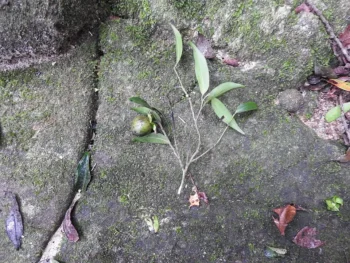
Diospyros foliosa: A Hidden Gem of Pacific Island Native Trees
If you’re looking to add an authentic Pacific island native to your tropical garden, Diospyros foliosa might just be the perfect choice. This lesser-known member of the ebony family brings both ecological value and natural beauty to landscapes in its native range, though you won’t find it growing just anywhere.
What Makes This Tree Special?
Diospyros foliosa is a perennial tree that belongs to the renowned ebony family, Ebenaceae. As a true Pacific native, this species has evolved specifically for life on tropical islands, making it perfectly adapted to the unique growing conditions found in places like Guam and Palau. You might occasionally see it listed under its synonym, Diospyros elliptica, but don’t let the name confusion fool you – it’s the same remarkable tree.
What sets this tree apart is its authentic island heritage. While many tropical gardens rely on non-native species, Diospyros foliosa offers gardeners the chance to grow something that truly belongs in the Pacific island ecosystem.
Where Does It Come From?
This native tree calls the Pacific Basin home, specifically thriving in Guam and Palau. It’s perfectly adapted to the tropical island environment, having evolved alongside the unique flora and fauna of these Pacific locations.
- Species observed
- No observations
Why Consider This Tree for Your Garden?
There are several compelling reasons to choose Diospyros foliosa if you’re gardening in the right climate:
- Native authenticity: Supporting local ecosystems by choosing native plants
- Natural adaptation: Already perfectly suited to Pacific island conditions
- Mature size: Grows into an impressive specimen, typically reaching over 13-16 feet in height
- Ecological value: Likely provides food and habitat for native wildlife species
- Low maintenance: Once established, requires minimal intervention
Growing Conditions and Care
Success with Diospyros foliosa comes down to replicating its natural Pacific island habitat:
Climate Requirements: This tree thrives in USDA hardiness zones 10-11, requiring consistently warm, tropical conditions. If you’re not in these zones, this tree simply won’t survive your winters.
Soil and Location: Like most tropical trees, Diospyros foliosa appreciates well-draining soil and a spot with full sun to partial shade. Good drainage is crucial – soggy roots spell trouble for most Pacific island natives.
Watering: During establishment, provide regular watering to help the root system develop. Once mature, these trees are typically quite drought-tolerant, though they’ll appreciate consistent moisture during dry spells.
Landscaping Applications
This tree works beautifully in several garden settings:
- Native Pacific island plant collections
- Tropical shade gardens
- Wildlife habitat gardens
- Cultural or heritage landscapes
- Large residential properties with space for canopy trees
Important Considerations
Before you get too excited about adding this tree to your landscape, there are a few key points to consider:
Limited availability: As a native species with a restricted range, Diospyros foliosa can be challenging to source. You’ll likely need to work with specialty nurseries that focus on Pacific island natives.
Climate specificity: This tree is only suitable for gardeners in tropical climates similar to its native range. Don’t expect it to adapt to temperate or subtropical conditions.
Space requirements: As a tree that can exceed 13-16 feet in height, make sure you have adequate space for its mature size.
The Bottom Line
Diospyros foliosa represents an excellent choice for gardeners in tropical Pacific locations who want to support native ecosystems while adding a beautiful, authentic tree to their landscape. While it may not be the easiest plant to find or the most broadly adaptable, its ecological value and natural beauty make it worth seeking out if you’re in the right climate zone.
For gardeners outside the tropical Pacific region, consider researching native alternatives from your own area. Every region has its own special trees waiting to be discovered and appreciated!