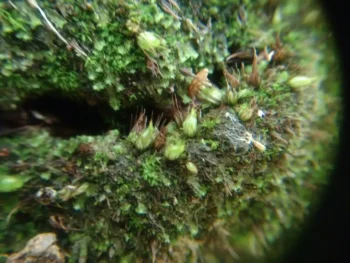
Diphyscium Moss: A Tiny Woodland Wonder Worth Knowing
If you’ve ever wandered through the woodlands of the northeastern United States and noticed tiny, cushion-like green patches growing on decaying logs or rocky surfaces, you might have encountered diphyscium moss (Diphyscium foliosum). This diminutive native moss may not be the showiest plant in the forest, but it plays an important role in our woodland ecosystems and offers some unique characteristics that make it worth understanding.
What Exactly Is Diphyscium Moss?
Diphyscium moss belongs to the fascinating world of bryophytes – those ancient, non-flowering plants that include mosses, liverworts, and hornworts. Unlike the flowering plants we typically think of for our gardens, mosses like Diphyscium foliosum reproduce through spores rather than seeds and lack true roots, stems, and leaves in the traditional sense.
This particular moss is what botanists call a terrestrial species, meaning it grows on solid surfaces rather than floating in water. You’ll typically find it making itself at home on decaying wood, rocks, or sometimes even directly on soil in shaded woodland areas.
Where to Find This Native Moss
As a native species to North America, diphyscium moss has naturally established itself in the northeastern regions of the continent. Currently documented in Connecticut and New York, this moss prefers the cool, moist conditions found in temperate woodlands.
- Species observed
- No observations
Identifying Diphyscium Moss in the Wild
Spotting diphyscium moss requires a keen eye, as it forms small, low-growing cushions that can easily be overlooked. Here are the key features to look for:
- Forms small, dense cushions or mats
- Grows on decaying logs, rocks, or occasionally soil
- Prefers shaded, moist woodland environments
- Produces distinctive spore-bearing structures (sporophytes) when reproducing
- Typically found in areas with good air circulation but consistent moisture
Is Diphyscium Moss Beneficial for Gardens?
While you’re unlikely to find diphyscium moss at your local garden center, and cultivating it intentionally would be quite challenging, this little moss does provide several ecological benefits that gardeners can appreciate:
In natural woodland settings, mosses like Diphyscium foliosum help retain moisture in the ecosystem, prevent soil erosion, and create microhabitats for tiny organisms. They also contribute to the decomposition process by helping break down organic matter.
For gardeners interested in creating naturalistic woodland gardens, understanding and appreciating native mosses like diphyscium moss can enhance your overall ecosystem approach. Rather than trying to cultivate this specific species, consider creating conditions that might naturally attract various native mosses to your shaded garden areas.
Creating Moss-Friendly Garden Conditions
If you’re inspired by diphyscium moss and want to encourage native moss growth in your garden, focus on these general conditions:
- Maintain shaded areas with filtered light
- Ensure consistent but not waterlogged moisture
- Provide surfaces like logs, rocks, or undisturbed soil
- Minimize chemical fertilizers and pesticides
- Allow for natural leaf litter and organic debris
The Bottom Line on Diphyscium Moss
While Diphyscium foliosum may not be a plant you’ll deliberately add to your shopping list, it represents the incredible diversity of native species that contribute to healthy woodland ecosystems. Understanding and appreciating these smaller players in nature’s grand design can deepen your connection to native gardening and help you create more authentic, ecologically valuable garden spaces.
Next time you’re exploring northeastern woodlands, take a moment to look closer at those tiny green cushions clinging to logs and rocks – you just might be observing this fascinating native moss in its natural habitat.