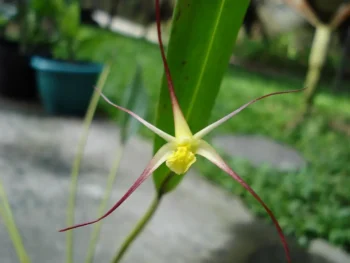
Diplocaulobium: A Rare Pacific Orchid Worth Knowing About
If you’ve stumbled across the name Diplocaulobium in your plant research, you’ve discovered something quite special – and quite specialized. This perennial plant represents a fascinating piece of Pacific Basin biodiversity that most gardeners will never encounter in their local nursery, and there’s a good reason for that.
What Exactly Is Diplocaulobium?
Diplocaulobium belongs to the orchid family, despite being classified in some sources as a forb. These are delicate, specialized plants that have evolved to thrive in very specific tropical conditions. Unlike the hardy perennials you might be used to working with in your garden beds, these plants have some pretty particular needs that make them more of a collector’s item than a landscape staple.
Where Does It Come From?
This plant calls the Pacific Basin its home, with documented populations in Palau. That’s quite a limited range, which immediately tells us this isn’t going to be your typical plant it and forget it garden addition. The tropical Pacific climate where it naturally occurs is worlds away from most North American growing conditions.
- Species observed
- No observations
Should You Try Growing Diplocaulobium?
Here’s where things get interesting – and potentially challenging. Because of its extremely limited native range and specialized growing requirements, Diplocaulobium isn’t really suitable for typical garden or landscape use. This is definitely more in the realm of serious orchid collectors and greenhouse enthusiasts.
The Reality Check
Before you get too excited about adding this exotic beauty to your garden, consider these factors:
- Extremely limited availability – you’re unlikely to find this at your local garden center
- Specialized growing conditions that require significant expertise
- Better suited for greenhouse cultivation than outdoor gardens
- Limited information available about cultivation requirements
Growing Conditions and Care
If you’re determined to try your hand at growing Diplocaulobium, you’ll need to recreate tropical Pacific conditions as closely as possible. This likely means:
- High humidity levels year-round
- Consistently warm temperatures
- Filtered, indirect light
- Specialized orchid growing medium
- Careful attention to watering and air circulation
Without more specific cultivation information available, success would require significant experimentation and orchid-growing expertise.
Better Alternatives for Most Gardeners
Unless you’re specifically collecting rare Pacific orchids, you’ll probably have much better luck – and contribute more to local ecosystems – by choosing native plants from your own region. Native plants offer reliable growth, support local wildlife, and don’t require the specialized care that rare tropical species demand.
If you’re drawn to unique flowering plants, consider researching native orchids or other interesting perennials that naturally occur in your area. You’ll get the satisfaction of growing something special while supporting your local ecosystem.
The Bottom Line
Diplocaulobium represents the fascinating diversity of Pacific plant life, but it’s definitely not for the average gardener. Its limited range, specialized needs, and rarity make it more of a botanical curiosity than a practical garden addition. If you’re serious about orchid collecting and have the expertise and facilities to provide proper care, it might be worth investigating further – but for most of us, admiring it from afar and focusing on native alternatives is the way to go.