Dirinaria Lichen: The Coastal Rock Decorator You Can’t Plant (But Should Appreciate)
If you’ve ever wandered along rocky coastlines and noticed interesting crusty, grayish patches decorating the stones, you might have encountered the fascinating dirinaria lichen (Dirinaria aegialita). But before you start planning where to plant this intriguing organism in your garden, here’s the plot twist: you can’t actually grow it like a regular plant!
What Exactly Is Dirinaria Lichen?
First things first – dirinaria lichen isn’t technically a plant at all. It’s what scientists call a lichen, which is essentially nature’s version of a successful partnership. Think of it as a tiny biological cooperative where fungi and algae team up to create something neither could achieve alone. The fungus provides structure and protection, while the algae does the photosynthesis thing, making food for both partners. Pretty clever, right?
This particular lichen species is native to North America and has quite the collection of aliases in the scientific world, including Dirinaria aspera and Physcia aspera – because apparently even lichens need stage names!
Where Does Dirinaria Lichen Call Home?
Dirinaria aegialita is a bit of a coastal creature, preferring the rocky shores and maritime environments along North America’s coastlines. You’re most likely to spot these grayish-white crusty patches clinging to rocks, occasionally bark, and other hard surfaces near the ocean.
How to Spot Dirinaria Lichen in the Wild
Identifying dirinaria lichen is like becoming a detective for tiny ecosystems. Here’s what to look for:
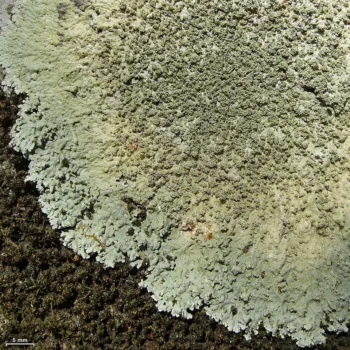
- Grayish-white, crusty appearance that forms patches on rocks or bark
- Distinctive lobed edges that give it a somewhat decorative, lace-like border
- Typically found in coastal areas with clean air (lichens are notoriously picky about air quality)
- Forms flat, spreading colonies that can cover several square inches
Is Dirinaria Lichen Good for Your Garden?
While you can’t exactly plant dirinaria lichen in your flower beds, having lichens around your property is actually a wonderful sign! Here’s why you should appreciate these tiny partnerships:
- Air quality indicators: Lichens are like nature’s pollution detectors – their presence suggests you’ve got clean air
- Ecosystem contributors: They help break down rock surfaces over time, contributing to soil formation
- Wildlife habitat: Some small creatures use lichens for shelter and nesting material
- Natural beauty: They add interesting textures and patterns to natural stone features
Why You Can’t Grow It (And Why That’s Okay)
Unlike your typical garden plants, lichens have very specific requirements that make cultivation nearly impossible. They need:
- Specific substrate materials (usually particular types of rock or bark)
- Precise moisture and humidity levels
- Clean air free from pollutants
- The right balance of light and shade
- Time – lots and lots of time to establish
The good news? If you live in a coastal area with clean air and have natural rock features on your property, dirinaria lichen might just show up on its own! It’s like getting a surprise gift from nature that tells you your local environment is healthy.
Appreciating What You Have
Instead of trying to cultivate dirinaria lichen, consider yourself lucky if you already have it growing naturally around your property. These slow-growing partnerships are indicators of environmental health and add subtle, natural beauty to rocky surfaces.
If you’re interested in supporting lichen diversity around your home, focus on maintaining clean air quality, preserving natural rock and bark surfaces, and avoiding the use of harsh chemicals that might harm these sensitive organisms.
So the next time you’re exploring coastal areas or notice crusty patches on rocks, take a moment to appreciate these remarkable little partnerships. Dirinaria lichen might not be the showiest garden addition, but it’s definitely one of nature’s more fascinating collaborations!