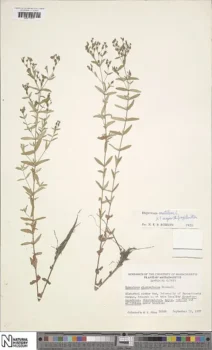
Disguised St. Johnswort: A Hidden Gem for Wet Areas in Your Native Garden
Meet disguised St. Johnswort (Hypericum dissimulatum), a charming little native annual that might just be the perfect solution for those tricky wet spots in your garden. Despite its mysterious common name, there’s nothing deceptive about this plant’s value to both gardeners and local wildlife.
What Makes Disguised St. Johnswort Special?
This delightful forb belongs to the St. Johnswort family and stays true to the family’s signature look with cheerful yellow flowers sporting five petals. As an annual, it completes its entire life cycle in one growing season, but don’t let that fool you into thinking it’s not worth your time. This little powerhouse has a knack for self-seeding, ensuring it returns year after year when conditions are right.
Unlike its woody cousins, disguised St. Johnswort is a true herbaceous plant with no significant woody tissue above ground. Its soft, green stems and delicate appearance make it a lovely addition to naturalized areas where a gentler touch is needed.
Where Does It Call Home?
Disguised St. Johnswort is proudly native to both Canada and the lower 48 United States, with a range that spans from the Maritime provinces down through the Eastern states. You’ll find it naturally growing in New Brunswick, Nova Scotia, Ontario, Quebec, Newfoundland, and throughout much of the northeastern and mid-Atlantic United States, including Connecticut, Maine, Maryland, Massachusetts, New Hampshire, New Jersey, New York, North Carolina, Pennsylvania, Rhode Island, Vermont, Virginia, West Virginia, and Wisconsin.
- Species observed
- No observations
The Wetland Specialist
Here’s where disguised St. Johnswort really shines: it’s a wetland enthusiast! Classified as Facultative Wetland across multiple regions (Atlantic and Gulf Coastal Plain, Eastern Mountains and Piedmont, Midwest, and Northcentral & Northeast), this plant usually prefers wet feet but can tolerate drier conditions when necessary. This flexibility makes it incredibly valuable for gardeners dealing with variable moisture conditions.
Perfect Garden Situations
Disguised St. Johnswort is ideally suited for:
- Rain gardens and bioswales
- Wetland restoration projects
- Native plant gardens with moist conditions
- Naturalized areas near ponds or streams
- Wildlife gardens focused on supporting pollinators
Growing Conditions and Care
This adaptable native thrives in USDA hardiness zones 3-7, making it suitable for much of the northern United States and southern Canada. It prefers:
- Moist to wet soils (though it can tolerate some drought)
- Partial shade to full sun exposure
- Various soil types, from clay to loam
- Consistent moisture during the growing season
The beauty of working with disguised St. Johnswort lies in its low-maintenance nature. Once established, it requires minimal care and will often self-seed in suitable locations. Since it’s an annual, you don’t need to worry about pruning or winter protection – just let it complete its natural cycle.
Wildlife and Pollinator Benefits
Those cheerful yellow blooms aren’t just pretty to look at – they’re pollinator magnets! Small bees, flies, and other beneficial insects appreciate the easily accessible nectar and pollen. By including disguised St. Johnswort in your garden, you’re supporting the broader ecosystem and contributing to pollinator conservation.
Why Choose Disguised St. Johnswort?
If you’re looking to create a more sustainable, wildlife-friendly landscape while solving moisture-related garden challenges, disguised St. Johnswort deserves serious consideration. Its native status means it’s perfectly adapted to local growing conditions and supports regional ecosystems. Plus, its annual nature means you can experiment with it without making a long-term commitment to a particular garden design.
For gardeners passionate about native plants, wetland restoration, or simply want a low-maintenance option for difficult wet areas, disguised St. Johnswort offers an excellent solution that benefits both your garden and local wildlife. Sometimes the best garden additions are the ones that work quietly behind the scenes – and this little native does exactly that.