Disk Lichen: The Tiny Garden Helper You Never Knew You Had
If you’ve ever noticed small, crusty patches dotting the rocks in your garden or the stone walls around your property, you might have encountered disk lichen (Trapelia coarctata) without even knowing it! This fascinating organism isn’t actually a plant at all – it’s a lichen, which makes it a unique partnership between fungi and algae working together in perfect harmony.
What Exactly Is Disk Lichen?
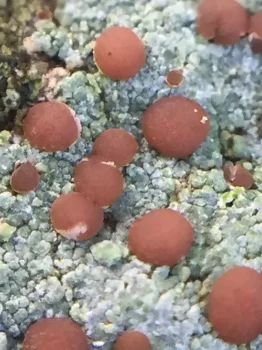
Disk lichen gets its common name from the distinctive small, disk-shaped fruiting bodies that appear on its surface. These tiny disks are actually the lichen’s way of reproducing, releasing spores into the environment. The main body of the lichen forms thin, crusty patches that can range from grayish to brownish in color, creating subtle but interesting textures on rock surfaces.
Scientifically known as Trapelia coarctata (and sometimes referred to by its synonym Lecidea coarctata), this lichen is native to North America and can be found naturally occurring across the continent’s temperate regions.
Is Disk Lichen Beneficial in Your Garden?
While you can’t exactly plant disk lichen like you would a flower or shrub, having it appear naturally in your garden is actually a wonderful sign! Here’s why disk lichen can be a beneficial addition to your outdoor space:
- Environmental indicator: Lichens are sensitive to air pollution, so their presence often indicates good air quality in your area
- Natural beauty: They add subtle texture and visual interest to stone features, walls, and rock gardens
- Ecosystem support: While they don’t attract pollinators like flowering plants, lichens do provide habitat for tiny insects and contribute to the overall biodiversity of your garden
- Low maintenance: Once established, they require absolutely no care from you!
How to Identify Disk Lichen
Spotting disk lichen in your garden is easier than you might think. Here are the key features to look for:
- Location: Look on hard surfaces like rocks, stone walls, concrete, or even old brick structures
- Appearance: Thin, crusty patches that appear painted on to the surface
- Color: Typically grayish to brownish, sometimes with a slightly greenish tint when moist
- Fruiting bodies: Small, dark, disk-shaped structures scattered across the surface (these are the disks that give it its name)
- Size: Individual patches are usually quite small, often just a few inches across
Creating Lichen-Friendly Spaces
While you can’t plant disk lichen directly, you can create conditions that encourage its natural establishment:
- Include natural stone features: Rock gardens, stone walls, or decorative boulders provide perfect surfaces for lichen colonization
- Avoid chemical treatments: Lichens are sensitive to pollutants, so avoid using harsh chemicals near stone surfaces
- Be patient: Lichens grow very slowly, so it may take years for them to naturally establish on new stone surfaces
- Maintain good air quality: Keep your garden free from excessive dust and pollution
Living Alongside Disk Lichen
The beauty of disk lichen lies in its undemanding nature. Once it appears on rocks or stone structures in your garden, it will quietly go about its business without any intervention from you. It’s perfectly harmless to other plants and won’t damage stone surfaces – in fact, some gardeners consider lichen-covered stones to have a charming, aged appearance that adds character to their landscape.
So the next time you spot those small, crusty patches on your garden stones, take a moment to appreciate these remarkable organisms. Disk lichen may be tiny and unassuming, but it’s playing its part in creating a healthy, diverse garden ecosystem – and asking for absolutely nothing in return!