Disk Lichen: The Tiny Rock Garden Resident You Never Planted
Have you ever noticed small, crusty patches dotting the rocks in your garden or on stone walls around your property? Meet the disk lichen (Trapelia involuta), a fascinating organism that’s neither plant nor animal, but something wonderfully unique that might already be calling your rocky surfaces home.
What Exactly Is Disk Lichen?
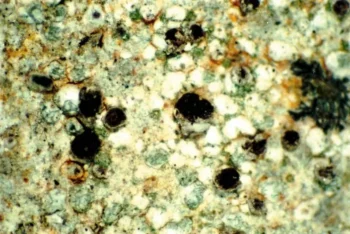
Disk lichen is actually a partnership between a fungus and algae working together in perfect harmony. This crusty little organism forms small, grayish to brownish patches on rock surfaces, earning its common name from the distinctive disk-shaped fruiting bodies that appear like tiny buttons scattered across its surface.
You might also see this species listed under its former scientific names, including Lecidea gregaria or Lecidea ornata, but today we know it as Trapelia involuta.
Where You’ll Find Disk Lichen
This native North American species has made itself at home across the continent, particularly thriving in mountainous and rocky regions where clean air and natural stone surfaces provide the perfect growing conditions.
Is Disk Lichen Beneficial in Your Garden?
While you can’t exactly plant disk lichen like you would a flower or shrub, its presence in your garden is actually a wonderful sign! Here’s why you should appreciate these tiny rock residents:
- They’re excellent indicators of good air quality
- They help break down rock surfaces over time, contributing to soil formation
- They add subtle texture and natural character to stone features
- They require absolutely no maintenance from you
How to Identify Disk Lichen
Spotting disk lichen is easier than you might think once you know what to look for:
- Look for crusty, flat patches growing directly on rock surfaces
- The main body (called the thallus) appears grayish to brownish in color
- Small, disk-shaped structures (the fruiting bodies) dot the surface like tiny buttons
- The patches are typically small, rarely exceeding a few inches across
- They feel rough and crusty to the touch
Creating Lichen-Friendly Conditions
While you can’t plant disk lichen, you can encourage its natural establishment by:
- Maintaining clean air around your property
- Avoiding harsh chemical cleaners on stone surfaces
- Allowing natural stone walls and rock features to age gracefully
- Keeping some areas of your garden wild and undisturbed
Living With Your Lichen Neighbors
The beauty of disk lichen lies in its simplicity and resilience. These remarkable organisms ask for nothing from gardeners while quietly going about their business of turning rock into eventual soil. They’re living proof that sometimes the most interesting garden residents are the ones that find you, rather than the ones you plant.
Next time you’re admiring your stone walls, rock gardens, or natural stone features, take a closer look. You might discover you’ve been hosting these fascinating little partnerships all along, adding a touch of ancient natural beauty to your landscape without lifting a finger.