Disk Waterhyssop: A Tiny Native Gem for Wet Spots in Your Garden
If you’ve ever struggled with those perpetually soggy areas in your yard, meet your new best friend: disk waterhyssop (Bacopa rotundifolia). This charming little native perennial might just be the perfect solution for those challenging wet spots that leave most gardeners scratching their heads.
What Exactly Is Disk Waterhyssop?
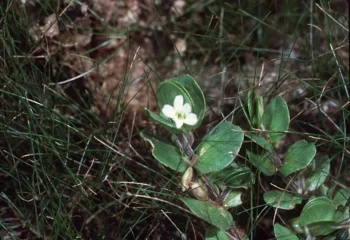
Disk waterhyssop is a low-growing, mat-forming perennial that’s as tough as it is cute. This native North American plant creates a dense carpet of small, round leaves topped with tiny white flowers during its blooming season in fall. At just 0.1 feet tall (yes, you read that right – we’re talking about a truly petite plant!), it spreads slowly via stolons to form attractive groundcover colonies.
You might also encounter this plant under several historical names in older gardening references, including Bacopa nobsiana, Bacopa simulans, or Bramia rotundifolia, but they’re all the same delightful species.
Where Does It Call Home?
This versatile native has an impressive range, naturally occurring across 29 states and parts of Canada. You’ll find it thriving everywhere from Alberta down to Texas, and from California to North Carolina. It’s particularly well-adapted to conditions in the Great Plains, Midwest, and various other regions across North America.
- Species observed
- No observations
Why Your Garden (and Local Wildlife) Will Love It
Here’s where disk waterhyssop really shines – it’s classified as an obligate wetland plant across all regions, meaning it absolutely loves those marshy, constantly moist conditions that make most other plants throw in the towel. If you have:
- Boggy areas that never seem to dry out
- Pond or stream edges
- Rain gardens or bioswales
- Natural wetland areas you want to restore
Then this little charmer is practically begging to be planted! Its dense summer foliage provides excellent ground coverage, and while it may be small, those white flowers are surprisingly conspicuous and add a delicate beauty to wet landscapes.
Growing Conditions: It’s All About the Water
Disk waterhyssop is refreshingly honest about its needs – it wants water, lots of it, and it wants it consistently. Here’s what makes this plant happiest:
- Moisture: High water needs – think constantly moist to wet soil
- Soil: Adapts well to fine and medium-textured soils
- pH: Tolerates a range from 5.4 to 7.8
- Sun: Shade intolerant – needs full sun for best performance
- Hardiness: Hardy to approximately USDA zones 3-9 (tolerates temperatures down to -33°F)
- Drainage: High anaerobic tolerance – can handle waterlogged conditions
One thing to note: this plant has zero drought tolerance, so don’t even think about planting it in that dry, sandy spot. It’s also not salt-tolerant, so keep it away from areas treated with road salt.
Planting and Care Tips
The good news? Once you get disk waterhyssop established in the right conditions, it’s fairly low-maintenance. Here’s how to set it up for success:
- Timing: Plant in spring after the last frost – it needs at least 120 frost-free days
- Spacing: Plan for 2,700 to 11,000 plants per acre, depending on how quickly you want coverage
- Propagation: Can be grown from seed (about 4 million seeds per pound!), bare root, or container plants
- Growth rate: Be patient – it has a slow growth rate and low seedling vigor
- Fertilizer: Has low fertility requirements – often unnecessary in rich, wet soils
The plant spreads at a moderate rate vegetatively, so give it time to establish its colony. Its active growing period spans spring through fall, with blooming occurring in the fall months.
Perfect Garden Roles
This prostrate, stoloniferous grower excels as:
- Groundcover for perpetually wet areas
- Erosion control on pond or stream banks
- Living mulch in rain gardens
- Naturalistic plantings in constructed wetlands
- Filler between larger wetland plants
A Few Considerations
While disk waterhyssop is a wonderful native choice, it’s not currently widely available commercially, so you may need to do some hunting to find plants or seeds. Additionally, remember that this plant is truly committed to wet conditions – there’s no compromise here. If your site occasionally dries out, this isn’t your plant.
For gardeners looking to support native ecosystems while solving challenging wet-site problems, disk waterhyssop offers a unique combination of beauty, functionality, and authentic regional character. It may be small in stature, but it’s mighty in its ability to transform problem areas into thriving, naturalistic landscapes.