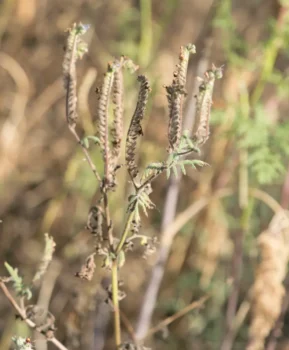
Distant Phacelia: A Desert Gem for Water-Wise Gardens
Meet distant phacelia (Phacelia distans), a charming native wildflower that’s perfectly suited for gardeners looking to create beautiful, water-wise landscapes. This delightful little plant might not be as famous as some of its showier cousins, but it’s got plenty of personality and practical benefits that make it worth considering for your garden.
What Is Distant Phacelia?
Distant phacelia is a native forb – basically a non-woody flowering plant – that can behave as either an annual or perennial depending on growing conditions. As a true native to the lower 48 states, this plant has evolved to thrive in our local ecosystems without any fuss or special treatment.
You might occasionally see this plant listed under its scientific synonyms, including Phacelia cinerea, but don’t let the fancy names confuse you – it’s all the same wonderful plant!
Where Does It Grow Naturally?
This hardy little wildflower calls the American Southwest home, with natural populations thriving in Arizona, California, Nevada, and surprisingly, scattered locations in Massachusetts and Wisconsin. It’s particularly well-adapted to desert and semi-arid environments where many other plants struggle to survive.
- Species observed
- No observations
Why Plant Distant Phacelia?
There are several compelling reasons to welcome distant phacelia into your garden:
- Drought tolerance: Once established, this plant requires minimal watering – perfect for water-conscious gardeners
- Pollinator magnet: The small blue to purple flowers attract bees, butterflies, and other beneficial insects
- Low maintenance: As a native plant, it’s naturally adapted to local conditions and requires little care
- Extended blooming: Flowers appear in distinctive coiled clusters that add unique texture to garden beds
- Native plant benefits: Supports local ecosystems and wildlife
Perfect Garden Settings
Distant phacelia shines in several garden styles:
- Desert and xeriscape gardens
- Native wildflower meadows
- Rock gardens and naturalized areas
- Pollinator gardens
- Low-water landscape borders
Growing Conditions and Care
The beauty of distant phacelia lies in its simplicity. This plant thrives in conditions that would challenge many garden favorites:
- Sunlight: Full sun exposure
- Soil: Well-draining sandy or rocky soils (poor soil is actually preferred!)
- Water: Low water requirements once established
- Climate: Best suited for USDA hardiness zones 8-10
Planting and Care Tips
Getting started with distant phacelia is refreshingly straightforward:
- Seeding: Direct seed in fall or early spring when soil temperatures are cool
- Watering: Provide regular water during germination, then reduce to occasional deep watering
- Soil prep: No need for rich, amended soil – this plant actually prefers lean conditions
- Spacing: Allow room for the plant to spread as ground cover
- Maintenance: Minimal care needed once established
Is Distant Phacelia Right for Your Garden?
This native wildflower is an excellent choice for gardeners in appropriate climate zones who want to create sustainable, low-maintenance landscapes. It’s particularly valuable if you’re interested in supporting native pollinators or developing a water-wise garden design.
However, gardeners in cooler climates or areas with heavy clay soils might find it challenging to grow successfully. In these cases, consider exploring other native wildflowers better suited to your specific regional conditions.
With its charming flowers, drought tolerance, and ecological benefits, distant phacelia proves that sometimes the most rewarding garden plants are the ones that ask for the least while giving back the most to both gardeners and local wildlife.