Ditch Rabbitsfoot Grass: A Wetland Wanderer in Your Garden
If you’ve ever spotted a soft, fluffy grass growing near ditches, pond edges, or other wet spots, you might have encountered ditch rabbitsfoot grass (Polypogon interruptus). This unassuming little grass has made itself quite at home across much of North America, though it originally hails from Mediterranean regions far from here.
Getting to Know Ditch Rabbitsfoot Grass
Also known as ditch polypogon, this perennial grass belongs to the same family as your lawn grass, but it has very different habitat preferences. True to its common name, you’ll typically find it growing in ditches, along stream banks, and in other consistently moist areas where many plants struggle to establish.
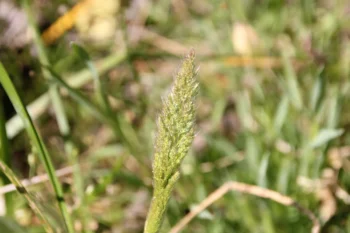
The rabbitsfoot part of its name becomes clear when you see its distinctive seed heads – they’re soft, cottony, and undeniably fuzzy, resembling the soft pads of a rabbit’s foot. These delicate plumes give the plant a gentle, almost ethereal appearance when they catch the light.
Where You’ll Find It
This adaptable grass has spread across a impressive range of states including Arizona, California, Colorado, Hawaii, Louisiana, Nebraska, Nevada, New Mexico, New York, Oklahoma, Oregon, Texas, Utah, Washington, Wisconsin, and Wyoming, plus territories like Guam and various U.S. Minor Outlying Islands. It’s particularly common in the western United States, where it thrives in irrigated areas and natural wetlands.
- Species observed
- No observations
A Plant That Loves Its Water
One thing is crystal clear about ditch rabbitsfoot grass – it’s a water lover! Its wetland status varies by region, but it consistently shows up in moist to wet environments:
- In some regions like the Great Plains and Atlantic Coast, it’s considered an obligate wetland plant, meaning it almost always grows in wet conditions
- In other areas like the Arid West and Hawaii, it’s classified as facultative wetland, usually preferring wet spots but occasionally tolerating drier conditions
Should You Plant It?
Here’s where things get interesting. While ditch rabbitsfoot grass isn’t native to North America, it’s also not considered invasive or particularly problematic in most areas. It tends to stick to disturbed, wet areas where it fills a niche without crowding out established native plants.
However, as a responsible gardener interested in supporting local ecosystems, you might want to consider native alternatives that provide similar aesthetic appeal while offering better wildlife benefits. Native sedges, rushes, or indigenous wetland grasses can give you that soft, naturalistic look while supporting local birds, beneficial insects, and other wildlife.
Growing Conditions and Care
If you do encounter this grass on your property or decide to work with it, here’s what it needs to thrive:
- Moisture: Consistent water is non-negotiable – think pond edges, rain gardens, or areas with poor drainage
- Sunlight: Full sun to partial shade works well
- Soil: Adaptable to various soil types as long as they stay moist
- Climate: Hardy in USDA zones 7-10, based on its current distribution
The grass is relatively low-maintenance once established, primarily because it naturally seeks out the conditions it needs. It self-seeds readily, so you might find new plants popping up in suitable spots around your garden.
The Bottom Line
Ditch rabbitsfoot grass is one of those plants that’s neither hero nor villain in the garden world. It’s found its place in the American landscape and generally minds its own business in wet, disturbed areas. While it won’t harm your garden, choosing native wetland plants will better support local wildlife and create a more ecologically valuable landscape.
If you’re dealing with a wet, challenging spot in your garden, consider this an opportunity to explore beautiful native alternatives like native sedges, monkey flower, or indigenous rushes that will give you that soft, naturalistic appeal while contributing to your local ecosystem’s health.