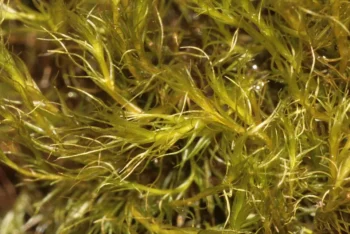
Ditrichum Moss: A Tiny Native Ground Cover Worth Knowing
Meet Ditrichum flexicaule, commonly known as ditrichum moss – a small but mighty native moss that’s been quietly carpeting North American landscapes for millennia. While you might not have heard of this particular moss by name, chances are you’ve walked past it countless times without realizing what a fascinating little plant it is.
What Exactly Is Ditrichum Moss?
Ditrichum moss belongs to the bryophyte family – those ancient, non-flowering plants that include mosses, liverworts, and hornworts. This particular species is a terrestrial moss, meaning it grows on land rather than exclusively in water. What makes it especially interesting is its preference for attaching itself to solid surfaces like rocks, dead wood, or even living tree bark, though it can also establish itself in soil.
Scientifically speaking, this moss was previously known by the synonym Ditrichum crispatissimum, so don’t be confused if you see that name in older botanical references.
Where You’ll Find This Native Moss
As a true North American native, ditrichum moss has earned its place in our continent’s natural heritage. This hardy little plant has adapted to a wide range of climates and conditions across North America, from cooler northern regions to various elevations and habitat types.
Spotting Ditrichum Moss in the Wild
Identifying ditrichum moss takes a keen eye, as it forms small, often inconspicuous patches. Look for these characteristics:
- Small, narrow leaves that often appear curved or twisted
- Forms cushion-like or mat-forming colonies
- Typically grows on rocks, dead wood, or tree bark
- Green coloration that may vary from bright to darker shades depending on moisture and light conditions
- Very low-growing habit, rarely exceeding a few centimeters in height
Is Ditrichum Moss Beneficial for Your Garden?
While ditrichum moss might not be the showstopper of your landscape, it can play several beneficial roles:
- Erosion control: Its mat-forming growth helps stabilize soil and prevent erosion on slopes or exposed areas
- Moisture retention: Like other mosses, it acts as a natural sponge, helping to retain moisture in the landscape
- Habitat creation: Provides microhabitat for tiny insects and other small creatures
- Natural aesthetics: Adds authentic, natural texture to rock gardens and naturalistic landscapes
- Low maintenance: Once established, requires virtually no care
Where Ditrichum Moss Fits in Garden Design
This native moss works best in specialized garden settings rather than traditional flower beds. Consider it for:
- Rock gardens and alpine-style landscapes
- Naturalistic woodland gardens
- Spaces between stepping stones or pavers
- Areas where you want to encourage native plant communities
- Spots that are too challenging for other ground covers
Growing Conditions and Care
The beauty of working with native mosses like ditrichum moss is their self-sufficiency. They thrive in conditions that suit them naturally:
- Light: Partial shade to filtered sunlight works best
- Moisture: Consistent moisture without waterlogging
- Substrate: Well-draining surfaces, particularly rocks or woody materials
- Temperature: Very cold hardy, suitable for northern climates
- Air circulation: Good airflow prevents fungal issues
A Note on Moss Gardening
Unlike traditional plants, mosses like ditrichum moss don’t have true roots, flowers, or seeds. They reproduce through spores and spread gradually over time. This means they won’t provide nectar for pollinators, but they do support the broader ecosystem in their own quiet way.
If you’re interested in encouraging native mosses in your landscape, the best approach is often to create suitable conditions and let nature take its course. Removing competing vegetation, ensuring appropriate moisture levels, and providing suitable surfaces can help native mosses like ditrichum moss establish naturally in your garden over time.
Remember, patience is key when working with mosses – they operate on a different timeline than flashier garden plants, but their subtle beauty and ecological contributions make them worthy additions to any nature-focused landscape.