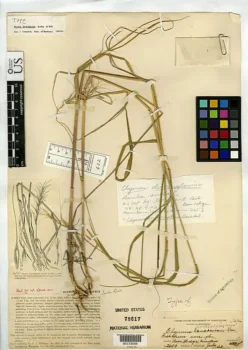
Diverseglume Wildrye: A Prairie Gem for Your Native Garden
Meet diverseglume wildrye (Elymus diversiglumis), a charming native grass that’s been quietly holding down the fort in North America’s prairies for centuries. This perennial bunch grass might not be the showiest plant in your garden, but it’s definitely one of the most reliable and ecologically valuable additions you can make to your landscape.
What Makes Diverseglume Wildrye Special?
This native grass species calls both Canada and the lower 48 states home, with a distribution that spans from the Canadian provinces of Manitoba, Ontario, and Saskatchewan down through the American Midwest and Great Plains. You’ll find it naturally occurring in Arkansas, Illinois, Iowa, Michigan, Minnesota, Missouri, North Dakota, Oklahoma, South Dakota, Wisconsin, and Wyoming.
- Species observed
- No observations
As a true native species, diverseglume wildrye has co-evolved with local wildlife and climate conditions for thousands of years. It’s perfectly adapted to thrive in areas where many non-native grasses struggle, making it an excellent choice for gardeners looking to create sustainable, low-maintenance landscapes.
Why Consider Planting Diverseglume Wildrye?
This perennial grass offers several compelling reasons to earn a spot in your garden:
- Authentic prairie character: Perfect for prairie restorations and naturalized garden areas
- Low maintenance: Once established, it requires minimal care and watering
- Erosion control: Excellent for stabilizing slopes and preventing soil erosion
- Wildlife habitat: Provides structure and shelter for beneficial insects and small wildlife
- Drought tolerance: Thrives in challenging conditions where other grasses fail
Growing Conditions and Care
Diverseglume wildrye is refreshingly easy to please. This adaptable grass performs best in:
- Sunlight: Full sun locations
- Soil: Well-drained soils of various types
- Hardiness: Zones 3-7, handling both cold winters and hot summers
- Water: Drought tolerant once established, though it appreciates some moisture during establishment
Planting and Establishment Tips
Getting diverseglume wildrye started in your garden is straightforward:
- Plant seeds in fall or early spring for best germination
- Prepare the planting area by removing competing weeds
- Scatter seeds on prepared soil and lightly rake in
- Keep soil consistently moist during the germination period
- Be patient – native grasses can take time to establish but are worth the wait
A Word About Conservation
Diverseglume wildrye has a global conservation status that suggests it may be somewhat uncommon in parts of its range. If you decide to grow this species, please source seeds or plants from reputable native plant suppliers who collect responsibly. This helps ensure wild populations aren’t impacted while still allowing gardeners to enjoy this wonderful native grass.
Design Ideas and Landscape Uses
This versatile grass works beautifully in:
- Prairie and meadow gardens
- Native plant landscapes
- Erosion control projects
- Naturalized areas that need minimal maintenance
- Wildlife habitat gardens
While diverseglume wildrye might not have the flashy flowers of prairie wildflowers, its subtle beauty and ecological benefits make it a valuable foundation plant for any native garden. Plus, there’s something deeply satisfying about growing a grass that’s been part of North America’s landscape since long before European settlement.
Whether you’re restoring a prairie, creating a low-maintenance landscape, or simply want to support local ecosystems, diverseglume wildrye deserves serious consideration. It’s proof that sometimes the most unassuming plants can be the most rewarding to grow.