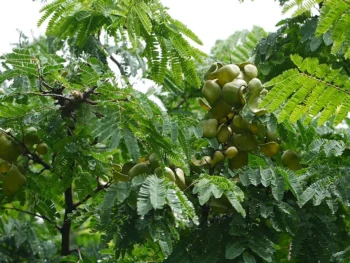
Divi Divi: The Wind-Sculpted Wonder of the Caribbean
If you’ve ever dreamed of bringing a piece of the Caribbean’s wild coastal beauty to your garden, meet the divi divi (Caesalpinia coriaria). This remarkable shrub is nature’s own living sculpture, shaped by ocean breezes into twisted, artistic forms that look like they belong in a modern art museum rather than growing wild on tropical shores.
What Makes Divi Divi Special?
The divi divi is a perennial shrub that typically grows as a multi-stemmed woody plant, usually staying under 13-16 feet tall. But here’s where it gets interesting – this isn’t your average garden shrub. Years of coastal winds sculpt divi divi trees into dramatic, twisted shapes that point away from prevailing winds, making them natural weather vanes and conversation starters.
Also known scientifically as Caesalpinia coriaria (with the synonym Libidibia coriaria), this plant produces delicate, feathery compound leaves and clusters of small yellow flowers that add a subtle tropical charm to its already striking silhouette.
Where Does Divi Divi Call Home?
This Caribbean native naturally grows in Puerto Rico and the U.S. Virgin Islands, where it thrives along coastlines and in dry, sunny areas. Its native range extends throughout the Caribbean and into northern South America, particularly in coastal regions where it has adapted to salt spray, strong winds, and challenging growing conditions.
- Species observed
- No observations
Why Gardeners Love (and Sometimes Struggle With) Divi Divi
Here’s the honest truth about divi divi: it’s absolutely stunning in the right location, but it’s quite particular about where it wants to live.
The Good News:
- Incredibly drought-tolerant once established
- Salt-tolerant, perfect for coastal properties
- Unique, sculptural growth habit that serves as a natural focal point
- Attracts pollinators like bees and butterflies with its yellow blooms
- Low maintenance once it’s happy in its spot
- Excellent for xeriscape and water-wise gardens
The Reality Check:
- Only hardy in USDA zones 10-12 (think southern Florida, Hawaii, and similar tropical climates)
- Can be challenging to find at nurseries outside its native range
- May not develop its characteristic twisted form without consistent coastal winds
Perfect Garden Roles for Divi Divi
When grown in appropriate climates, divi divi shines as:
- A specimen plant that anchors tropical landscape designs
- Part of coastal restoration projects
- An accent in drought-tolerant garden schemes
- A conversation piece in collector gardens
- Natural windbreaks in exposed locations
Growing Divi Divi Successfully
Ideal Growing Conditions:
- Sunlight: Full sun is essential – this plant craves bright, direct light
- Soil: Well-draining soil is crucial; it tolerates poor, sandy, or rocky soils
- Water: Drought-tolerant once established, but appreciates occasional deep watering during dry spells
- Climate: Thrives in tropical and subtropical climates with consistent warmth
Planting and Care Tips:
- Choose a location with excellent drainage – soggy soil is this plant’s enemy
- Plant in spring after any chance of cool weather has passed
- Water regularly during the first year while roots establish
- Once established, it’s remarkably low-maintenance
- Pruning is optional – many gardeners prefer to let the natural growth habit develop
- Fertilizing is rarely necessary in most soils
The Bottom Line
Divi divi is one of those special plants that can transform a garden when grown in the right conditions. If you’re gardening in zones 10-12 and love unique, sculptural plants that tell a story, this Caribbean native deserves serious consideration. Its combination of drought tolerance, salt tolerance, and artistic growth habit makes it particularly valuable for challenging coastal sites where other plants struggle.
However, if you’re outside its hardiness range, you might want to admire this beauty during tropical vacations and consider cold-hardy alternatives with interesting forms for your own garden. For those lucky enough to garden in divi divi’s preferred climate, you’ll be rewarded with a living sculpture that gets more interesting with each passing year.