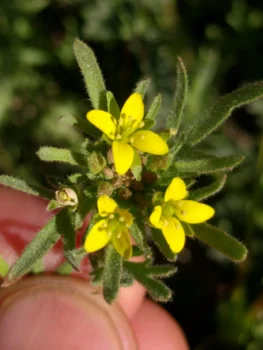
Dobie Pod: A Delicate Native Annual Perfect for Low-Water Gardens
Meet the dobie pod (Tropidocarpum gracile), a charming little native annual that proves good things really do come in small packages! This delicate wildflower might not win any showiest bloom contests, but what it lacks in flashiness, it more than makes up for in charm, practicality, and wildlife value.
What Makes Dobie Pod Special?
Dobie pod is a true California native that belongs to the mustard family, bringing those classic four-petaled yellow flowers that pollinators absolutely adore. As an annual forb, it completes its entire life cycle in just one growing season, making it perfect for gardeners who love variety and seasonal change in their landscapes.
Where Does Dobie Pod Come From?
This lovely little wildflower is native to the lower 48 states, with its primary home in California. Interestingly, it’s also found growing in Massachusetts, showing its adaptability across different climate zones. As a native species, dobie pod has co-evolved with local wildlife and growing conditions, making it an excellent choice for sustainable, eco-friendly gardening.
- Species observed
- No observations
Why Plant Dobie Pod in Your Garden?
There are plenty of reasons to fall in love with this unassuming native:
- Low maintenance: Once established, dobie pod requires minimal care and watering
- Pollinator magnet: Those small yellow flowers attract beneficial insects and native bees
- Native plant benefits: Supports local ecosystems and provides habitat for wildlife
- Natural look: Perfect for wildflower gardens and naturalized landscapes
- Water-wise: Excellent choice for drought-tolerant and xeriscape gardens
Perfect Garden Settings for Dobie Pod
Dobie pod thrives in:
- Native plant gardens and natural landscapes
- Wildflower meadows and prairie-style plantings
- Rock gardens and low-water garden areas
- Naturalized slopes and hillsides
- Mixed annual beds with other California natives
Growing Conditions and Care
The beauty of dobie pod lies in its simplicity. This adaptable native prefers:
- Sunlight: Full sun exposure for best flowering
- Soil: Well-draining soil (it’s not picky about soil type!)
- Water: Low to moderate water needs once established
- Climate: Best suited for USDA hardiness zones 8-10
Planting and Care Tips
Growing dobie pod successfully is refreshingly straightforward:
- When to plant: Sow seeds in fall or early spring for best results
- Seeding: Scatter seeds directly in the garden area where you want them to grow
- Spacing: No need to worry about precise spacing – nature knows best!
- Watering: Water gently until seeds germinate, then reduce watering frequency
- Maintenance: Let plants go to seed naturally to encourage self-sowing for next year
Wildlife and Pollinator Benefits
Don’t let dobie pod’s modest appearance fool you – it’s a powerhouse for supporting local wildlife. The small yellow flowers provide nectar and pollen for native bees, beneficial insects, and other pollinators. As the plant matures and sets seed, it also provides food for birds and small wildlife.
The Bottom Line on Dobie Pod
Dobie pod might not be the flashiest flower in your garden, but it’s definitely one of the most rewarding to grow. This native annual offers the perfect combination of low maintenance, ecological benefits, and natural charm. Whether you’re creating a dedicated native plant garden or simply want to add some authentic California character to your landscape, dobie pod delivers without demanding much in return.
For gardeners looking to support local ecosystems while enjoying beautiful, easy-care plants, dobie pod is a delightful choice that proves native plants can be both practical and enchanting.