Dodder (Cuscuta): The Parasitic Plant You Don’t Want in Your Garden
If you’ve ever noticed thin, spaghetti-like orange or yellow stems sprawling across other plants in your garden, you might be looking at dodder. This unusual plant has a reputation that precedes it – and not in a good way for gardeners who value their prized plants.
What Exactly Is Dodder?
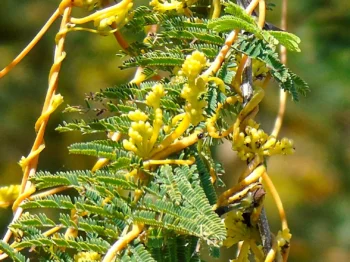
Dodder (Cuscuta) is unlike most plants you’ll encounter in your garden. This annual to perennial forb herb has evolved into something quite extraordinary – and troublesome. It’s essentially a plant vampire, surviving entirely by attaching itself to other plants and stealing their nutrients.
What makes dodder so distinctive is its complete lack of leaves and its thread-like, orange to yellow stems that create tangled webs over its unfortunate hosts. During blooming season, it produces clusters of tiny white or pinkish flowers that, while small, can be quite numerous.
Where You’ll Find Dodder
Dodder has an impressively wide distribution across North America, found in almost every U.S. state and Canadian province, from Alberta to Wyoming, and from coast to coast. It’s also present in Hawaii, Puerto Rico, the U.S. Virgin Islands, and even remote locations like Navassa Island.
- Species observed
- No observations
The plant’s native status varies significantly by location. While it’s native to some areas like the U.S. Virgin Islands and Navassa Island, in many regions its status is less clear, and it has established itself as a non-native species that reproduces freely in the wild.
Why Gardeners Should Avoid Dodder
Here’s the bottom line: dodder is not a plant you want to intentionally invite into your garden. This parasitic species can seriously damage or even kill the plants it attaches to. Once established, it can quickly spread and become a persistent problem.
Adding to the concern, dodder has noxious weed status in at least some jurisdictions, with restrictions on its seeds. This official recognition reflects the real problems this plant can cause for agriculture and natural ecosystems.
How Dodder Grows
Calling it growing is a bit generous – dodder is more like nature’s ultimate freeloader. Here’s how it works:
- Seeds germinate in soil but quickly must find a host plant to survive
- The seedling produces searching stems that grow in circles until they contact a suitable host
- Once contact is made, dodder develops specialized structures called haustoria that penetrate the host plant
- The dodder then abandons its own root system and lives entirely off its host
- It spreads by growing along the host and can jump to nearby plants
Identification Tips
Recognizing dodder early is crucial for garden management:
- Look for thin, wire-like stems in yellow, orange, or sometimes reddish colors
- Stems appear leafless and create tangled masses over other plants
- Small clusters of tiny, bell-shaped flowers appear along the stems
- Host plants may appear stressed, yellowed, or stunted
- The dodder stems feel smooth and somewhat succulent
Management and Prevention
If you discover dodder in your garden, quick action is essential:
- Remove infected plant material immediately, including both the dodder and heavily infested host plants
- Dispose of all material in municipal waste – never compost dodder
- Monitor the area closely for regrowth
- Clean tools thoroughly after working with infected plants
- Consider the source of new plants, as dodder can arrive on nursery stock
The Bigger Picture
While dodder does provide some small ecological benefits – its tiny flowers can feed certain insects, and some birds may eat its seeds – these benefits are far outweighed by its potential for damage in garden settings.
For gardeners seeking plants that support pollinators and wildlife, there are countless better options among truly beneficial native species that won’t threaten your other plants. Focus your efforts on native flowering plants that provide nectar and pollen without the parasitic behavior.
Final Thoughts
Dodder serves as a fascinating example of plant evolution and adaptation, but it’s definitely not garden-friendly. If you encounter this unusual parasitic plant, view it as a learning opportunity about plant diversity – then promptly remove it to protect your garden investments.
Remember, the best defense against dodder is vigilance and quick action. Keep an eye out for those telltale orange threads, and your garden plants will thank you for it.