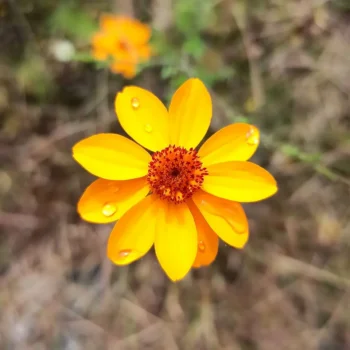
Dogweed (Adenophyllum): A Hardy Native for Southwestern Gardens
If you’re looking to add some authentic southwestern charm to your garden, dogweed might just be the under-the-radar native you’ve been searching for. This resilient little plant has been quietly thriving in the American Southwest for ages, and it’s ready to bring its no-fuss attitude to your landscape.
What Exactly Is Dogweed?
Dogweed (Adenophyllum) is a native forb that calls the southwestern United States home. Don’t let the somewhat unflattering common name fool you – this plant is actually quite charming! As a forb, it’s essentially a non-woody flowering plant that stays relatively low to the ground, making it perfect for those spots where you want color without towering height.
This adaptable plant can be either annual or perennial depending on growing conditions, which means it might stick around for years or reseed itself naturally in your garden. Talk about a plant that knows how to make itself at home!
Where Does Dogweed Naturally Grow?
Dogweed is a true child of the Southwest, naturally occurring across Arizona, California, Nevada, New Mexico, and Utah. It’s perfectly adapted to the unique challenges of these regions – from scorching summers to unpredictable rainfall patterns.
- Species observed
- No observations
Why Consider Dogweed for Your Garden?
Here’s where dogweed really shines as a garden choice:
- Authentically native: You’re planting something that truly belongs in the southwestern landscape
- Drought tolerance: Once established, it can handle dry spells like a champion
- Pollinator friendly: Those small yellow composite flowers are magnets for bees and butterflies
- Low maintenance: Perfect for gardeners who want beauty without the fuss
- Aromatic foliage: Adds a pleasant fragrance to your garden space
Perfect Garden Scenarios for Dogweed
Dogweed isn’t trying to be the star of your formal rose garden, and that’s perfectly fine! Instead, it excels in:
- Rock gardens: Its compact nature fits beautifully among stones and boulders
- Xeriscape designs: An ideal choice for water-wise landscaping
- Naturalized areas: Let it spread and create informal drifts
- Desert-themed landscapes: Pairs wonderfully with cacti, agaves, and other southwestern natives
Growing Conditions and Care
The good news? Dogweed isn’t particularly demanding. Here’s what it prefers:
- Sunlight: Full sun is its happy place
- Soil: Well-draining soil is absolutely crucial – it can’t stand wet feet
- Water: Drought-tolerant once established, but appreciates occasional deep watering
- Climate: Best suited for USDA hardiness zones 8-10
Planting and Care Tips
Getting dogweed established in your garden is refreshingly straightforward:
- Plant in fall or early spring when temperatures are mild
- Ensure excellent drainage – consider raised beds or slopes if your soil tends to stay wet
- Water regularly the first season to help establishment, then back off significantly
- Avoid overwatering or over-fertilizing, which can actually harm the plant
- Allow some flowers to go to seed if you want natural reseeding
A Few Considerations
While dogweed is generally wonderful, there are a couple of things to keep in mind:
First, detailed growing information can be limited since this isn’t a mainstream garden center plant. You might need to source seeds or plants from native plant specialists. Second, if you’re gardening outside the Southwest, this might not be the best choice for you – stick with plants native to your own region for the best ecological benefits.
The Bottom Line
Dogweed represents the best of native gardening: authentic, adapted, and genuinely useful to local wildlife. While it may not have the flashy appeal of hybrid garden varieties, it offers something much more valuable – a genuine connection to the natural heritage of the American Southwest. For gardeners in Arizona, California, Nevada, New Mexico, and Utah, dogweed deserves serious consideration as a reliable, beautiful, and ecologically sound garden choice.
Sometimes the best garden additions are the ones that have been quietly thriving in your region for centuries. Dogweed is definitely one of those hidden gems worth discovering.