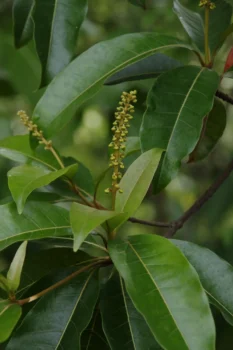
Doncella: A Charming Native Caribbean Shrub for Tropical Gardens
If you’re lucky enough to garden in a tropical paradise like Puerto Rico or the U.S. Virgin Islands, you might want to get acquainted with a delightful native shrub called doncella (Byrsonima spicata). This cheerful little plant brings sunny yellow blooms and authentic Caribbean character to your landscape, all while supporting local ecosystems.
Meet the Doncella
Doncella goes by the botanical name Byrsonima spicata, and you might occasionally see it listed under some historical synonyms like Byrsonima coriacea or Malpighia spicata in older gardening references. But don’t let the scientific names intimidate you – this is simply a lovely native shrub that belongs in more tropical gardens.
Where Does Doncella Call Home?
This perennial shrub is a true Caribbean native, naturally found in Puerto Rico and the U.S. Virgin Islands. Growing doncella means you’re supporting local biodiversity and creating habitat that native wildlife recognizes and can use.
- Species observed
- No observations
What Does Doncella Look Like?
Doncella is what gardeners call a well-behaved shrub. Here’s what you can expect:
- An oval-shaped, multi-stemmed shrub that typically stays under 13-16 feet tall
- Bright yellow flowers that really catch the eye – perfect for adding sunny spots to your garden
- Attractive green foliage that stays put year-round (no leaf-dropping drama here!)
- Small yellow fruits that follow the flowers
- A rapid growth rate, so you won’t be waiting decades to see results
At maturity, doncella can potentially reach up to 66 feet in ideal conditions, though it typically stays much more compact in garden settings.
Why Grow Doncella in Your Garden?
There are several compelling reasons to consider this native beauty:
- Low maintenance: As a native plant, it’s already adapted to local conditions
- Year-round interest: Evergreen foliage plus blooms throughout much of the year
- Rapid establishment: Fast growth means quicker results
- Ecosystem support: Native plants provide the best habitat for local wildlife
- Authentic character: Nothing beats natives for creating a sense of place
Perfect Garden Situations for Doncella
Doncella shines in several garden scenarios:
- Native plant gardens focused on Caribbean species
- Tropical landscape designs
- Mixed shrub borders where you need reliable evergreen structure
- Specimen planting where its oval shape and yellow flowers can star
- Naturalized areas where you want low-maintenance natives
Growing Conditions: What Doncella Needs to Thrive
The good news is that if you live where doncella is native, your local conditions are probably perfect. Here are the specifics:
- Climate: Needs year-round warmth (minimum 40°F) and a frost-free environment – think USDA zones 10-11
- Soil: Adaptable to various soil types, though medium fertility works best
- pH: Tolerates a range from 5.0 to 7.5 (slightly acidic to neutral)
- Water: Needs regular rainfall or irrigation (40-130 inches annually)
- Sun exposure: Grows well in typical tropical light conditions
Doncella has facultative upland wetland status, which means it usually prefers well-drained sites but can handle occasional wet conditions – pretty flexible for a native shrub!
Planting and Care Tips
Getting doncella established in your garden is refreshingly straightforward:
- Propagation: Grow from seed – this is the most reliable method
- Planting density: Space plants about 8-12 feet apart (320-640 plants per acre for larger installations)
- Root space: Ensure at least 3 feet of soil depth for proper root development
- Initial care: Water regularly during establishment, then let natural rainfall take over
- Pruning: Minimal pruning needed thanks to its naturally attractive oval shape
Supporting Pollinators and Wildlife
While specific wildlife data for doncella isn’t extensively documented, native shrubs with conspicuous yellow flowers typically support local pollinators. The year-round blooming period means there’s potential for extended nectar availability, and the evergreen foliage provides consistent habitat structure.
Is Doncella Right for Your Garden?
Doncella is an excellent choice if you:
- Garden in Puerto Rico or the U.S. Virgin Islands
- Want to support native ecosystems
- Appreciate low-maintenance plants with year-round appeal
- Need a reliable shrub with attractive flowers
- Are creating a tropical or Caribbean-themed landscape
However, doncella won’t work if you:
- Live anywhere that experiences frost
- Garden in arid climates without irrigation
- Want a compact shrub (remember, this one can get quite large)
For gardeners in appropriate climates, doncella offers the perfect combination of beauty, ecological value, and easy care. It’s a wonderful way to celebrate your local flora while creating a landscape that’s both gorgeous and meaningful.