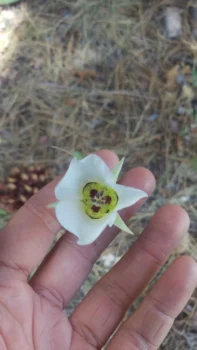
Doubting Mariposa Lily: A Hidden Gem for Southwestern Gardens
Meet the doubting mariposa lily (Calochortus ambiguus), a charming native wildflower that might just make you a believer in the beauty of native plants. With its delicate, cup-shaped blooms and easy-going nature, this perennial forb is a delightful addition to gardens across the American Southwest.
What Makes This Plant Special
The doubting mariposa lily is a true native of the southwestern United States, naturally occurring in Arizona, New Mexico, and Utah. As a perennial forb—meaning it’s a non-woody plant that comes back year after year—it offers lasting value in your garden without requiring replanting.
This lovely wildflower grows from bulbs and produces stunning flowers that typically appear in late spring to early summer. The blooms are cup-shaped and usually white to pale pink with distinctive purple markings that give them an almost painted appearance.
- Species observed
- No observations
Why You’ll Want to Grow Doubting Mariposa Lily
There are several compelling reasons to consider adding this native beauty to your landscape:
- Low maintenance: Once established, it’s quite drought tolerant and requires minimal care
- Pollinator friendly: The flowers attract native bees and butterflies, supporting local ecosystems
- Unique beauty: The distinctive cup-shaped flowers add an elegant touch that’s different from typical garden flowers
- Native authenticity: You’ll be preserving regional biodiversity while creating a landscape that truly belongs
Perfect Garden Settings
The doubting mariposa lily thrives in specific garden types where its natural preferences can be met:
- Native plant gardens and wildflower meadows
- Rock gardens and xeriscaping projects
- Desert and arid landscape designs
- Naturalistic borders and accent plantings
Growing Conditions and Care
Success with doubting mariposa lily comes from understanding its natural habitat preferences. This plant is happiest in conditions that mimic its native southwestern environment.
Sunlight: Provide full sun to partial shade. Morning sun with some afternoon protection works well in hotter climates.
Soil: Well-draining soil is absolutely essential. Heavy clay or waterlogged conditions will likely kill the bulbs. Sandy or rocky soils work beautifully.
Water: This is where the low maintenance really shines. Once established, the plant is quite drought tolerant. Water sparingly during the growing season and allow it to go dormant and dry during summer months.
Hardiness: Hardy in USDA zones 4-8, making it suitable for a wide range of climates within its native region.
Planting and Care Tips
Getting started with doubting mariposa lily requires some patience, but the results are worth it:
- Timing: Plant bulbs in fall for spring blooming
- Depth: Plant bulbs 3-4 inches deep in well-draining soil
- Spacing: Allow 4-6 inches between bulbs
- Summer care: Allow the plant to go dormant naturally—don’t water during the hot, dry summer months
- Fertilizing: Generally unnecessary if planted in appropriate soil conditions
A Few Considerations
While the doubting mariposa lily is a wonderful native plant, it’s not for every garden or gardener. The summer dormancy period means the foliage will die back, leaving gaps in your landscape. Plan accordingly by pairing it with other plants that provide summer interest.
Additionally, like many bulb plants, it may take a year or two to become fully established and reach its blooming potential. Patience is key!
The Bottom Line
If you’re gardening in the Southwest and appreciate native plants with unique charm, the doubting mariposa lily deserves a spot in your landscape. Its beautiful blooms, ecological benefits, and low-maintenance nature make it an excellent choice for gardeners who want to create authentic, sustainable landscapes that celebrate regional flora.
Just remember to provide excellent drainage and embrace the natural rhythm of growth and dormancy that makes this plant so well-adapted to its native environment. Your patience will be rewarded with years of delicate, distinctive blooms that connect your garden to the wild beauty of the American Southwest.