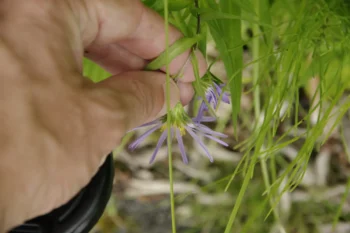
Douglas Aster: A Late-Season Native Beauty for Your Garden
If you’re looking for a native perennial that brings late-season color and supports pollinators when most other flowers have called it quits, Douglas aster might just be your new garden best friend. This unassuming but charming wildflower (scientifically known as Symphyotrichum subspicatum) proves that good things really do come in small packages.
What Makes Douglas Aster Special?
Douglas aster is a true North American native, naturally occurring across an impressive range from Alaska down to California and eastward into the Great Plains. You’ll find this hardy perennial thriving in states including Alberta, British Columbia, Alaska, California, Idaho, Montana, Oregon, and Washington.
- Species observed
- No observations
As a forb (that’s botanist-speak for a non-woody flowering plant), Douglas aster grows as a perennial that comes back year after year, gradually forming attractive colonies through its spreading root system. Think of it as nature’s way of creating a living carpet that gets better with time.
Garden Appeal and Landscape Role
Don’t let its modest appearance fool you – Douglas aster brings serious value to your landscape. Here’s why gardeners love this native gem:
- Produces clusters of small, daisy-like flowers in white to pale purple shades
- Blooms in late summer and fall when most plants are winding down
- Forms naturalistic colonies that look right at home in meadow gardens
- Provides excellent ground cover for larger native plant installations
- Supports late-season pollinators when nectar sources become scarce
This makes Douglas aster perfect for native plant gardens, prairie restorations, rain gardens, and any landscape where you want to create habitat while maintaining natural beauty.
Growing Conditions and Care
One of the best things about Douglas aster? It’s refreshingly low-maintenance. This adaptable native thrives in USDA hardiness zones 3-9, making it suitable for most North American gardens.
Preferred Growing Conditions:
- Soil: Moist to wet conditions, though it adapts to average garden soil
- Light: Full sun to partial shade
- Tolerance: Clay soils, seasonal flooding, drought (once established)
The plant’s wetland status varies by region – it’s particularly well-suited to wetland conditions in the Arid West and Western Mountains regions, while being more adaptable to both wet and dry sites in Alaska and the Great Plains.
Planting and Care Tips
Getting Douglas aster established in your garden is straightforward:
- Plant in spring after the last frost or in early fall
- Space plants 12-18 inches apart if you want quicker coverage
- Water regularly the first year to help establish the root system
- Once established, it’s quite drought tolerant
- Divide clumps every 3-4 years to prevent overcrowding and maintain vigor
- Cut back in late fall or early spring before new growth emerges
Wildlife and Pollinator Benefits
Douglas aster isn’t just pretty – it’s a pollinator powerhouse. The late-season blooms provide crucial nectar when butterflies are preparing for migration and native bees are stocking up for winter. This timing makes it an essential component of any pollinator-friendly garden.
The spreading nature of Douglas aster also creates habitat structure that benefits small wildlife, while the seeds provide food for birds later in the season.
Is Douglas Aster Right for Your Garden?
Douglas aster is an excellent choice if you:
- Want to support native pollinators and wildlife
- Appreciate naturalistic, low-maintenance plantings
- Have moist areas in your landscape that need coverage
- Are creating a native plant or meadow garden
- Need late-season color and interest
Keep in mind that Douglas aster does spread, so it’s best suited for areas where you want naturalizing coverage rather than formal, contained borders. If you love the idea of a plant that takes care of itself while providing ecological benefits, Douglas aster could be the perfect addition to your native garden palette.
With its combination of adaptability, wildlife value, and understated charm, Douglas aster proves that sometimes the best garden plants are the ones that have been thriving in your region for thousands of years.