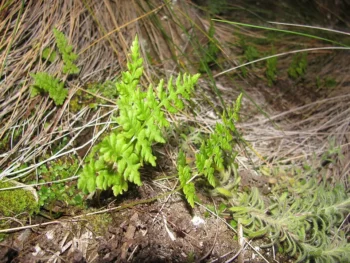
Douglas’ Bladderfern: Hawaii’s Rare and Mysterious Native Fern
If you’re a plant enthusiast with a passion for rare species, you’ve probably never heard of Douglas’ bladderfern (Cystopteris douglasii). And honestly, that’s not surprising – this little-known Hawaiian native is one of the islands’ most elusive botanical treasures.
What Makes This Fern Special?
Douglas’ bladderfern is a perennial fern that’s found exclusively in Hawaii, making it what botanists call an endemic species. Unlike the flashy tropical plants Hawaii is famous for, this modest fern represents something much rarer: a piece of the islands’ original botanical heritage that has somehow survived in our modern world.
As a member of the bladderfern family, this species shares characteristics with its mainland relatives, but it has evolved unique traits during its isolation in the Hawaiian Islands. However, here’s where things get tricky – we actually know surprisingly little about what this fern looks like or how it behaves in nature.
Geographic Distribution
Cystopteris douglasii is found only in Hawaii, with an extremely limited distribution across the island chain. This fern doesn’t grow anywhere else on Earth, which makes it both precious and vulnerable.
- Species observed
- No observations
A Conservation Concern
Here’s the most important thing to know about Douglas’ bladderfern: it’s in serious trouble. With a Global Conservation Status of S2 (Imperiled), this species has only 6 to 20 known occurrences in the wild, with perhaps only 1,000 to 3,000 individual plants remaining. In plant conservation terms, that’s dangerously close to the edge.
This rarity status means that Douglas’ bladderfern is especially vulnerable to extinction. Whether due to habitat loss, invasive species, climate change, or other factors, this fern is hanging on by a thread in its native Hawaiian environment.
Should You Try to Grow It?
The short answer is: probably not, and here’s why. With so few plants remaining in the wild, any collection or disturbance could push this species closer to extinction. Even well-meaning plant lovers could inadvertently harm the remaining populations.
If you’re absolutely determined to grow Douglas’ bladderfern, you must – and we cannot stress this enough – only obtain plants from verified, responsibly sourced material. This means:
- Never collect from wild populations
- Only purchase from reputable native plant nurseries that can verify their sources
- Consider participating in legitimate conservation propagation programs
- Support habitat restoration efforts instead
Growing Conditions and Care
Unfortunately, detailed growing information for Douglas’ bladderfern is largely unknown. This gap in knowledge is partly due to its rarity – when there are so few plants left, researchers prioritize finding and protecting them rather than experimenting with cultivation techniques.
What we can guess, based on other Hawaiian ferns and bladderfern relatives, is that it likely prefers:
- Filtered light or partial shade
- Consistent moisture without waterlogging
- Well-draining, organic-rich soil
- Protection from strong winds
- High humidity levels
Better Alternatives for Your Garden
Instead of risking harm to this imperiled species, consider these more common Hawaiian native ferns that can provide similar aesthetic appeal:
- Hawaiian tree ferns (various Cibotium species)
- Sword ferns (Nephrolepis species)
- Bird’s nest ferns (Asplenium nidus)
These alternatives will give you the lush, tropical fern look you’re after while supporting conservation efforts for species like Douglas’ bladderfern.
The Bottom Line
Douglas’ bladderfern represents one of Hawaii’s botanical mysteries – a rare, endemic species that we’re still trying to understand and protect. While it’s natural to want to grow rare plants, sometimes the most loving thing we can do is admire them from afar and focus our gardening efforts on more sustainable choices.
If this fern has captured your imagination, consider supporting Hawaiian native plant conservation organizations or habitat restoration projects. That way, you’ll be helping ensure that future generations might have the chance to learn more about this remarkable little fern – and maybe even see it thriving in the wild once again.