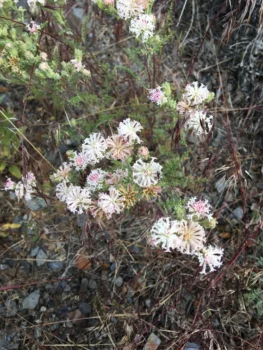
Douglas’ Dustymaiden: A Delicate Native Beauty for Your Xerophytic Garden
Meet Douglas’ dustymaiden (Chaenactis douglasii var. douglasii), a charming native wildflower that’s perfect for gardeners looking to create sustainable, low-maintenance landscapes. This understated beauty might not shout for attention like some garden showstoppers, but it offers something even more valuable: authentic regional character and vital support for local ecosystems.
What Makes Douglas’ Dustymaiden Special?
Douglas’ dustymaiden is a native forb – essentially a non-woody flowering plant – that can live as either a biennial or perennial depending on growing conditions. This adaptable little plant produces clusters of small, white to pale pink flower heads that sit atop silvery-green, finely divided foliage. While it may appear delicate, don’t let its dustymaiden name fool you – this is one tough plant that thrives in challenging conditions where other flowers struggle.
Where Does It Call Home?
This native gem has quite an impressive range across western North America. You’ll find Douglas’ dustymaiden growing naturally across an extensive territory that includes:
- Canadian provinces: Alberta, British Columbia, and Saskatchewan
- Western U.S. states: Arizona, California, Colorado, Idaho, Montana, Nevada, New Mexico, North Dakota, Oregon, South Dakota, Utah, Washington, and Wyoming
- Species observed
- No observations
Its wide distribution speaks to its adaptability, but it also tells us this plant has been supporting local wildlife and ecosystems across the West for thousands of years.
Important Conservation Note
Before we dive into growing tips, there’s something crucial to know: Douglas’ dustymaiden has a Global Conservation Status of S3, meaning it’s considered vulnerable. While not immediately endangered, this classification indicates the species faces some level of risk due to limited populations or restricted range in certain areas. If you’re interested in growing this plant, please ensure you source seeds or plants from reputable native plant suppliers who collect responsibly and legally.
Why Choose Douglas’ Dustymaiden for Your Garden?
There are several compelling reasons to consider this native beauty:
- Low maintenance: Once established, it requires minimal water and care
- Pollinator magnet: The small flower heads attract native bees, butterflies, and other beneficial insects
- Authentic regional character: Adds genuine local flavor to your landscape
- Drought tolerance: Perfect for water-wise gardening
- Extended interest: Silvery foliage provides visual appeal even when not blooming
Perfect Garden Settings
Douglas’ dustymaiden shines in several garden styles:
- Rock gardens: Its compact size and drought tolerance make it ideal for tucking between stones
- Native plant gardens: A natural choice for authentic regional plantings
- Xerophytic landscapes: Thrives in dry, low-water gardens
- Wildflower meadows: Adds delicate texture and supports biodiversity
- Naturalized areas: Great for transitional spaces between cultivated and wild areas
Growing Conditions and Care
The beauty of Douglas’ dustymaiden lies partly in its simple needs. This plant thrives in USDA hardiness zones 4-8 and prefers:
- Sunlight: Full sun exposure
- Soil: Well-draining soil is essential – it cannot tolerate soggy conditions
- Water: Drought tolerant once established; avoid overwatering
- Soil type: Adapts to various soil types, including rocky or sandy soils
Planting and Establishment Tips
Getting Douglas’ dustymaiden established in your garden requires a bit of patience, but the results are worth it:
- Seeding: Direct seed in fall for best results, as seeds benefit from natural stratification over winter
- Location: Choose a spot with excellent drainage – this is non-negotiable
- Spacing: Allow adequate space for air circulation to prevent moisture-related issues
- Initial watering: Provide gentle, consistent moisture during germination, then gradually reduce watering
- Patience: Be patient with establishment – native plants often take time to settle in but reward you with longevity
Supporting Conservation Through Gardening
By choosing to grow Douglas’ dustymaiden from responsibly sourced material, you’re participating in an important conservation effort. Home gardens can serve as crucial habitat corridors and seed banks for vulnerable native species. Your small patch of dustymaiden could help ensure this species continues to thrive for future generations while providing immediate benefits to local pollinators and wildlife.
The Bottom Line
Douglas’ dustymaiden may not be the flashiest plant in the garden center, but it offers something increasingly rare: authentic connection to place, minimal resource requirements, and genuine ecological value. For gardeners committed to sustainable, regionally appropriate landscaping, this delicate native represents an opportunity to create beauty while supporting conservation. Just remember to source responsibly and give this vulnerable species the respect it deserves.