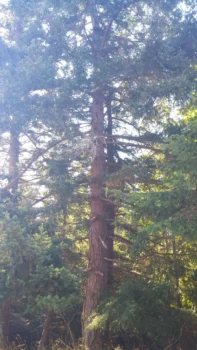
Douglas-Fir: The Majestic Native Giant for Your Landscape
When it comes to native trees that make a statement, few can match the impressive presence of the Douglas-fir (Pseudotsuga menziesii var. menziesii). This towering evergreen isn’t just a tree—it’s a living monument that can transform your landscape into a Pacific Northwest paradise. But before you rush to plant one, let’s explore whether this magnificent native is right for your garden.
What Makes Douglas-Fir Special?
The Douglas-fir is a true native treasure, naturally occurring across Canada and the lower 48 states. You’ll find these impressive conifers growing wild from British Columbia down through California, Nevada, Oregon, and Washington, with some populations even reaching Pennsylvania. This wide distribution speaks to the tree’s adaptability and ecological importance.
- Species observed
- No observations
Also known by its scientific synonyms Pseudotsuga mucronata and Pseudotsuga taxifolia, this perennial evergreen is what botanists call a true tree—meaning it typically grows as a single-stemmed giant reaching well over 13-16 feet in height. In ideal conditions, Douglas-firs can soar to breathtaking heights, making them one of nature’s most impressive architectural elements.
A Wildlife Haven in Your Backyard
One of the most compelling reasons to consider a Douglas-fir is its incredible value to wildlife. This native powerhouse serves as a vital food source, providing:
- 5-10% of the diet for large animals, though they rarely use it for shelter
- 5-10% of the diet for small mammals, with occasional cover benefits
- A substantial 10-25% of the diet for terrestrial birds, who also occasionally nest in its branches
Unlike many ornamental trees, Douglas-fir truly gives back to the ecosystem, supporting the intricate web of native wildlife that makes our landscapes come alive.
Is Douglas-Fir Right for Your Garden?
Here’s where we need to have an honest conversation. Douglas-fir is absolutely stunning and ecologically valuable, but it’s not for everyone. This tree is best suited for:
- Large properties with plenty of space
- Natural or forest-style landscapes
- Areas where you want to create wildlife habitat
- Properties in USDA hardiness zones 4-6
- Locations with cool, humid climates
If you have a small urban lot or prefer tidy, manicured landscapes, you might want to consider smaller native alternatives instead.
Growing Your Douglas-Fir Successfully
Douglas-firs thrive in moist, well-drained soils and prefer locations with partial to full sun exposure. These trees appreciate the cool, humid conditions of their native Pacific Coast environment. Here are some key growing tips:
- Plant in spring or early fall when temperatures are moderate
- Ensure consistent moisture, especially during the first few years
- Provide protection from strong, drying winds when young
- Avoid heavy clay or constantly waterlogged soils
- Give your tree plenty of room—these giants need space to spread their roots and branches
Long-term Care and Considerations
Once established, Douglas-firs are relatively low-maintenance. They rarely need pruning beyond removing damaged branches, and their natural form is part of their appeal. However, remember that you’re planting for the long term—these trees can live for centuries and will likely outlive several generations of your family.
The key to success with Douglas-fir is patience and proper siting. Choose your location carefully, provide good growing conditions, and then step back and let nature work its magic. In return, you’ll have a native giant that provides year-round beauty, wildlife habitat, and a connection to the natural heritage of North America.
Whether Douglas-fir is right for your landscape depends on your space, goals, and commitment to working with nature rather than against it. For those with room to accommodate this magnificent native, few trees can match its combination of beauty, ecological value, and enduring presence.