Douglas’ Golden Violet: A Charming Native Ground Cover for Shade Gardens
Meet Douglas’ golden violet (Viola douglasii), a delightful little perennial that’s been quietly carpeting the forest floors of the Pacific Coast for centuries. This native gem might be small in stature, but it packs a big punch when it comes to adding charm and ecological value to your shade garden.
What Makes Douglas’ Golden Violet Special?
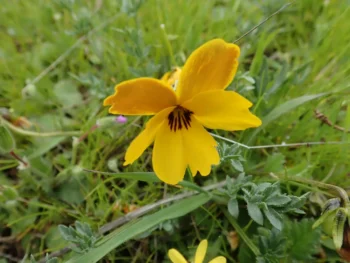
Douglas’ golden violet is a true Pacific Coast native, naturally occurring in California and Oregon. As a perennial forb—basically a non-woody plant that comes back year after year—this little beauty forms spreading mats of heart-shaped leaves topped with cheerful golden-yellow flowers marked with delicate purple veining. It’s like having tiny sunbeams dancing across your garden floor!
- Species observed
- No observations
Why Your Garden (and Local Wildlife) Will Love It
This native violet isn’t just a pretty face. It’s a hardworking member of your garden ecosystem:
- Provides nectar for small pollinators throughout its blooming season
- Serves as a host plant for fritillary butterfly caterpillars
- Creates excellent ground cover in challenging shady spots
- Requires minimal maintenance once established
- Supports local biodiversity as part of the native plant community
Perfect Garden Situations
Douglas’ golden violet shines in:
- Woodland gardens and naturalized areas
- Shaded rock gardens
- Native plant landscapes
- Areas where you need reliable ground cover
- Gardens designed to support local wildlife
Growing Conditions That Make It Happy
This Pacific Coast native has some specific preferences, but they’re not too demanding:
- Light: Partial to full shade (it actually prefers being out of intense sun)
- Soil: Moist, well-draining soil that doesn’t dry out completely
- Climate: Thrives in USDA hardiness zones 7-9
- Water: Consistent moisture, especially during dry spells
Planting and Care Tips
Getting Douglas’ golden violet established in your garden is refreshingly straightforward:
- When to plant: Spring is ideal, giving plants time to establish before summer
- Soil prep: Amend heavy clay with organic matter to improve drainage
- Watering: Keep soil consistently moist but not waterlogged
- Mulching: A thin layer of organic mulch helps retain moisture
- Fertilizing: Usually unnecessary—native plants prefer lean conditions
Is Douglas’ Golden Violet Right for Your Garden?
This native violet is an excellent choice if you’re looking to create a low-maintenance shade garden that supports local wildlife. It’s particularly valuable for gardeners in California and Oregon who want to incorporate more native species into their landscapes.
However, it might not be the best fit if you’re looking for a plant that thrives in full sun or extremely dry conditions. Douglas’ golden violet much prefers the cool, moist conditions of its native woodland habitat.
By choosing this native ground cover, you’re not just adding beauty to your garden—you’re also supporting the intricate web of life that makes your local ecosystem thrive. And honestly, who couldn’t use a few more golden sunbeams brightening up those shady corners?