Douglas’ Meadowfoam: A Native Gem for Wet Garden Spots
If you’ve been struggling to find the perfect plant for those persistently soggy areas in your garden, meet Douglas’ meadowfoam (Limnanthes douglasii) – a charming native annual that absolutely thrives in wet conditions where other plants fear to tread. This delightful little forb brings a frothy display of white and yellow blooms to areas that might otherwise remain bare or problematic.
What Makes Douglas’ Meadowfoam Special?
Douglas’ meadowfoam is a true native treasure, naturally occurring in California and Oregon. As an obligate wetland plant, it almost always grows in wetlands – making it the perfect solution for those challenging wet spots in your landscape that leave you scratching your head each spring.
- Species observed
- No observations
This annual forb lacks woody tissue, meaning it completes its entire life cycle in one growing season. Don’t let its annual nature fool you though – when conditions are right, Douglas’ meadowfoam readily self-seeds, creating naturalized colonies that return year after year.
Garden Appeal and Design Role
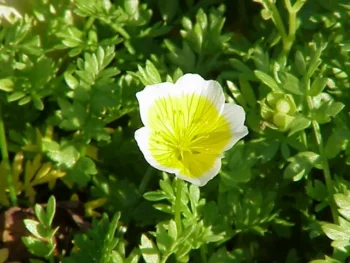
The magic of Douglas’ meadowfoam lies in its abundant small white flowers adorned with bright yellow centers. When planted in groups, these blooms create a foam-like carpet effect that gives the plant its common name. The visual impact is particularly stunning when the plants naturalize in drifts across wet meadow areas or rain gardens.
In landscape design, Douglas’ meadowfoam serves multiple roles:
- Ground cover for consistently moist to wet areas
- Naturalizing element in wildflower meadows
- Seasonal interest in rain gardens and bioswales
- Pollinator magnet in native plant gardens
Perfect Garden Settings
This native beauty shines brightest in specialized garden settings that celebrate its love of moisture:
- Rain gardens: Excellent for managing stormwater runoff
- Bog gardens: Thrives in consistently wet conditions
- Naturalized areas: Creates authentic native plant communities
- Pollinator gardens: Provides early season nectar for beneficial insects
Pollinator and Wildlife Benefits
Douglas’ meadowfoam is a pollinator powerhouse, attracting bees, butterflies, and other beneficial insects with its abundant blooms. The flowers provide crucial early-season nectar when many other plants are just beginning to wake up from winter dormancy. Native bees particularly appreciate this reliable food source.
Growing Conditions and Care
Success with Douglas’ meadowfoam comes from understanding its natural habitat preferences:
Light Requirements: Performs best in full sun to partial shade conditions.
Soil Needs: Requires consistently moist to wet soils. This plant actually tolerates seasonal flooding, making it ideal for areas that experience temporary standing water.
USDA Hardiness Zones: Suitable for zones 8-10, though as an annual, it’s more limited by moisture requirements than temperature extremes.
Planting and Care Tips
Growing Douglas’ meadowfoam successfully is all about timing and location:
- Seeding: Direct seed in fall for best results – this plant needs winter chill to germinate properly
- Spacing: Allow plants to naturalize; they’ll self-seed in favorable conditions
- Watering: Ensure consistent moisture throughout the growing season
- Maintenance: Minimal care required once established; allow plants to set seed for next year’s display
Why Choose Douglas’ Meadowfoam?
If you’re looking to support native wildlife, manage wet garden areas naturally, and add unique seasonal beauty to your landscape, Douglas’ meadowfoam deserves serious consideration. Its ability to transform problematic wet spots into thriving pollinator habitat makes it both beautiful and functional.
This native annual proves that working with nature’s preferences, rather than against them, creates the most successful and sustainable gardens. Give Douglas’ meadowfoam a try in your wet garden spots – you might just discover your new favorite native plant.