Douglas’ Meadowfoam: A Charming Native Ground Cover for Wet Gardens
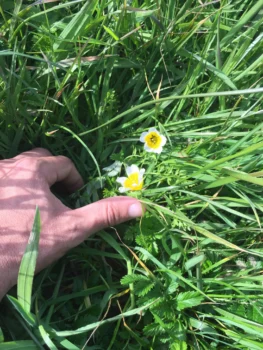
If you’re looking for a delightful native plant that thrives in those tricky wet spots in your garden, Douglas’ meadowfoam (Limnanthes douglasii douglasii) might just be your new best friend. This cheerful annual creates carpets of white and yellow blooms that look like tiny fried eggs scattered across the landscape – and trust me, that’s much more appealing than it sounds!
What Makes Douglas’ Meadowfoam Special
Douglas’ meadowfoam is a true California and Oregon native, naturally found in wet meadows, vernal pools, and seasonal wetlands throughout these states. As an annual forb, it completes its entire life cycle in one growing season, but don’t let that fool you into thinking it’s high-maintenance. This little beauty is actually quite the self-sufficient charmer.
- Species observed
- No observations
The plant produces masses of small, white flowers with bright yellow centers that bloom from late winter through spring. These blooms sit atop low-growing, succulent-like foliage that forms dense mats, making it an excellent ground cover for wet areas where other plants might struggle.
A Note About Conservation
Before we dive into growing tips, it’s important to know that Douglas’ meadowfoam has a conservation status that suggests some populations may be of concern. If you’re interested in adding this native beauty to your garden, please make sure to source seeds or plants from reputable native plant suppliers who collect responsibly and sustainably.
Why Grow Douglas’ Meadowfoam in Your Garden
Here’s why this native annual deserves a spot in your landscape:
- Pollinator magnet: The flowers attract native bees, flies, and other beneficial insects
- Problem solver: Perfect for those soggy areas where other plants won’t grow
- Low maintenance: Once established, it pretty much takes care of itself
- Native credentials: Supports local ecosystems and wildlife
- Self-seeding: Will naturalize in suitable conditions, giving you more plants each year
Growing Conditions and Care
Douglas’ meadowfoam is happiest in conditions that mimic its natural habitat:
Climate: Thrives in USDA hardiness zones 8-10, where it experiences mild, wet winters and dry summers.
Soil and moisture: This plant absolutely loves moist to wet soils and can even handle seasonal flooding. It’s perfect for rain gardens, low-lying areas, or anywhere water tends to collect during the rainy season.
Light: Prefers full sun to partial shade, though it will bloom most prolifically in sunny locations.
Planting and Care Tips
Getting Douglas’ meadowfoam established in your garden is refreshingly straightforward:
- When to plant: Direct sow seeds in fall, just before the rainy season begins
- Seeding: Scatter seeds over prepared soil and lightly rake in – they need light to germinate
- Watering: Let nature do most of the work! Winter rains should provide adequate moisture
- Summer care: Allow plants to go dormant and dry out in summer – this is natural
- Maintenance: Minimal! Simply allow plants to self-seed for next year’s display
Garden Design Ideas
Douglas’ meadowfoam shines in several garden settings:
- Rain gardens: Plant en masse for spectacular spring color
- Native plant gardens: Combines beautifully with other California and Oregon natives
- Naturalized areas: Perfect for creating meadow-like displays
- Seasonal wet spots: Transform problem areas into seasonal showstoppers
The Bottom Line
Douglas’ meadowfoam is a wonderful choice for gardeners who want to support native ecosystems while solving the challenge of wet garden areas. Its cheerful blooms, low-maintenance nature, and ecological benefits make it a win-win for both gardeners and local wildlife. Just remember to source your plants responsibly, and you’ll be rewarded with a delightful carpet of fried egg flowers that will have you smiling every spring.
Whether you’re a seasoned native plant gardener or just starting to explore the wonderful world of regional flora, Douglas’ meadowfoam offers an easy entry point into creating beautiful, ecologically valuable garden spaces.