Douglas’ Meadowfoam: A Rare California Native Worth Protecting in Your Garden
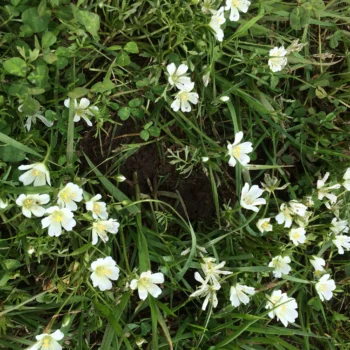
If you’re looking for a charming California native that brings both beauty and ecological value to your garden, Douglas’ meadowfoam (Limnanthes douglasii nivea) might just be the perfect choice. This delicate annual wildflower offers something truly special – pristine white blooms that dance above low-growing foliage, creating a carpet of snow-like flowers in the cool months of the year.
What Makes Douglas’ Meadowfoam Special
Douglas’ meadowfoam is an annual forb, meaning it’s a soft-stemmed plant that completes its entire life cycle in one growing season. Don’t let its delicate appearance fool you – this little powerhouse has adapted perfectly to California’s unique climate patterns, thriving in the wet winter months and going dormant during the dry summer season.
The nivea in its scientific name means snowy white, which perfectly describes the pure white flowers that make this plant so distinctive. These blooms appear in spring, creating a stunning contrast against the plant’s bright green foliage.
Where Douglas’ Meadowfoam Calls Home
This meadowfoam is a true California endemic, found naturally only within the Golden State. It’s particularly associated with vernal pools and seasonal wetlands – those magical temporary water features that fill with winter rains and gradually dry out as summer approaches.
- Species observed
- No observations
A Word of Caution: Rarity Status
Here’s something important to know: Douglas’ meadowfoam has a conservation status that indicates it may be vulnerable in the wild. If you’re interested in growing this plant, please make sure to source seeds or plants from reputable native plant nurseries that propagate their stock responsibly rather than collecting from wild populations.
Why Your Garden (and Local Wildlife) Will Love It
Douglas’ meadowfoam isn’t just a pretty face – it’s a pollinator magnet! The flowers attract native California bees and other beneficial insects, making it an excellent choice for supporting local ecosystems. As an annual that reseeds itself, it can naturalize in appropriate conditions, creating sustainable habitat year after year.
In garden design, this plant works beautifully as:
- Groundcover in naturalistic California native gardens
- Seasonal interest in rain gardens or bioswales
- Part of wildflower meadow plantings
- Restoration projects for seasonal wetland areas
Growing Conditions and Care
Douglas’ meadowfoam is best suited for USDA hardiness zones 8-10, which aligns perfectly with California’s Mediterranean climate. Here’s what this plant needs to thrive:
Sunlight: Full sun to partial shade
Soil: Moist to wet soils during the growing season
Water: Loves winter moisture but goes naturally dormant in dry summers
Soil type: Adaptable, but prefers clay or heavy soils that hold moisture
Planting and Care Tips
The best time to plant Douglas’ meadowfoam is in fall, which mimics its natural germination cycle. Here are some key tips for success:
- Direct sow seeds in late fall when rains begin
- Plant in areas that receive good winter moisture
- Don’t worry about summer watering – this plant naturally goes dormant
- Allow plants to set seed before cleaning up spent foliage
- Be patient – it may take a season or two to establish well
Is Douglas’ Meadowfoam Right for Your Garden?
This plant is perfect for gardeners who:
- Live in California’s Mediterranean climate zones
- Want to support native pollinators and wildlife
- Have areas with seasonal moisture or clay soils
- Appreciate ephemeral beauty and natural garden cycles
- Are committed to using responsibly sourced native plants
However, it might not be the best choice if you prefer plants that provide year-round structure or if you garden outside of its native climate range.
A Small Plant with Big Impact
Douglas’ meadowfoam may be small in stature, but it punches well above its weight in terms of ecological value and garden charm. By choosing to grow this rare California native, you’re not just adding beauty to your landscape – you’re helping preserve a piece of California’s natural heritage while creating habitat for native wildlife. Just remember to source your plants responsibly, and enjoy watching this little gem bring spring magic to your garden year after year.