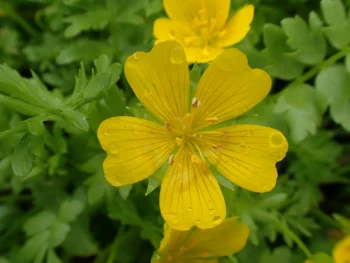
Douglas’ Meadowfoam: A Delightful California Native for Your Garden
If you’re looking to add a charming native wildflower to your California garden, Douglas’ meadowfoam (Limnanthes douglasii sulphurea) might just be the perfect choice. This delightful annual forb brings both beauty and ecological benefits to the right garden setting, though there are some important considerations every gardener should know before planting.
What Makes Douglas’ Meadowfoam Special?
Douglas’ meadowfoam is a true California native, belonging exclusively to the Golden State’s diverse plant community. This annual forb produces masses of small, fragrant flowers that create stunning carpet-like displays during the spring blooming season. The flowers are particularly eye-catching, featuring crisp white petals with bright yellow centers that seem to glow in the garden.
As a forb, this plant lacks significant woody tissue and maintains a low, spreading growth habit that makes it excellent for ground cover applications. Don’t let its delicate appearance fool you – this hardy annual has adapted perfectly to California’s Mediterranean climate patterns.
Where Does It Naturally Grow?
Douglas’ meadowfoam is endemic to California, where it naturally thrives in vernal pools and wet meadows throughout the state. These specialized habitats experience seasonal flooding followed by dry periods, which has shaped the plant’s unique growing requirements and life cycle.
- Species observed
- No observations
Important Conservation Considerations
Before you rush to add Douglas’ meadowfoam to your shopping list, there’s something crucial to know: this plant has a rarity status that requires our attention as responsible gardeners. With its specialized habitat requirements and limited natural range, it’s essential to source seeds or plants only from reputable native plant nurseries that use ethical collection practices.
Never collect seeds from wild populations, and always verify that any Douglas’ meadowfoam you purchase has been responsibly propagated from legally obtained stock. By choosing responsibly sourced plants, you’re supporting conservation efforts while enjoying this beautiful native in your garden.
Why Grow Douglas’ Meadowfoam?
There are several compelling reasons to include this native annual in your California garden:
- Pollinator magnet: The nectar-rich flowers attract native bees and beneficial insects, supporting local ecosystems
- Low maintenance: Once established, it requires minimal care and often self-seeds for future seasons
- Authentic native landscaping: Adds genuine California character to native plant gardens
- Seasonal beauty: Provides stunning spring color displays
- Ecological benefits: Supports native wildlife and contributes to biodiversity
Growing Conditions and Care
Success with Douglas’ meadowfoam depends on understanding its natural habitat preferences. This plant thrives in conditions that mimic California’s seasonal wet-dry cycles:
Moisture requirements: Needs consistent moisture during winter and spring growing seasons, but tolerates and even prefers dry conditions during summer dormancy.
Soil preferences: Performs best in moist to wet soils during the growing season. Heavy clay soils that retain winter moisture work well.
Light requirements: Prefers full sun to partial shade locations.
Climate zones: Best suited for USDA hardiness zones 8-10, matching California’s Mediterranean climate patterns.
Planting and Care Tips
The key to growing Douglas’ meadowfoam successfully lies in timing and water management:
- Seeding time: Direct seed in fall to allow natural winter stratification
- Water management: Provide regular water during winter and spring, then allow to go dry in summer
- Soil preparation: Ensure good drainage to prevent summer rot while retaining winter moisture
- Maintenance: Minimal care required once established; allow plants to complete their seed cycle for natural reseeding
- Companion planting: Pairs well with other California natives that share similar moisture requirements
Perfect Garden Applications
Douglas’ meadowfoam works beautifully in several garden styles:
- Native California plant gardens
- Rain gardens and seasonal wet areas
- Pollinator gardens focused on native species
- Naturalistic meadow plantings
- Ground cover applications in appropriate moisture conditions
The Bottom Line
Douglas’ meadowfoam offers California gardeners a chance to grow a truly special native plant that supports local ecosystems while providing delightful spring beauty. However, responsible sourcing is non-negotiable given its conservation status. When grown in appropriate conditions with ethically sourced material, this charming annual can become a treasured part of your native plant collection.
Remember, successful native gardening is about working with nature rather than against it. By providing the seasonal moisture patterns that Douglas’ meadowfoam expects, you’ll be rewarded with fragrant flowers, happy pollinators, and the satisfaction of growing an authentic piece of California’s natural heritage.