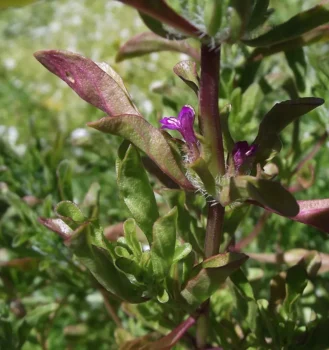
Douglas’ Mesamint: A Tiny Treasure for California’s Seasonal Wetlands
Meet Douglas’ mesamint (Pogogyne douglasii), one of California’s most specialized native wildflowers. This diminutive annual herb might not win any beauty contests, but it plays a crucial role in the Golden State’s unique seasonal wetland ecosystems. If you’re looking to create an authentic California native garden or restore natural habitats, this little plant deserves a spot on your radar.
What Is Douglas’ Mesamint?
Douglas’ mesamint is a small annual forb – that’s gardener-speak for a non-woody flowering plant that completes its entire life cycle in one growing season. Don’t let the name fool you; while it’s part of the mint family, this isn’t the kind of mint you’d want in your mojito! Instead, it’s a specialized wetland plant that has evolved to thrive in California’s boom-and-bust water cycle.
This native herb produces delicate clusters of tiny white to pale lavender flowers that, while modest in size, create a charming carpet effect when grown in groups. As an annual, it grows, flowers, sets seed, and dies all within one year, but don’t worry – it’s quite good at coming back on its own when conditions are right.
Where Does It Call Home?
Douglas’ mesamint is a true California native, found exclusively within the state’s borders. It’s particularly at home in the Central Valley and surrounding foothills, where it grows in vernal pools and seasonal wetlands – those magical temporary water features that fill with winter rains and dry up by summer.
- Species observed
- No observations
The Wetland Specialist
Here’s where Douglas’ mesamint gets really interesting: it’s what botanists call an obligate wetland species, meaning it almost always occurs in wetland conditions. This plant has adapted to California’s Mediterranean climate by timing its life cycle perfectly with the seasonal flooding and drying patterns of vernal pools and seasonal wetlands.
Should You Grow Douglas’ Mesamint?
Whether Douglas’ mesamint belongs in your garden depends on what kind of gardening adventure you’re up for. Here’s the honest truth:
Reasons to Consider It:
- You’re passionate about California native plants and want to support local ecosystems
- You have space for a seasonal wetland or rain garden
- You’re involved in habitat restoration projects
- You enjoy growing unusual, specialized plants
- You want to support native pollinators like tiny native bees and flies
Reasons to Think Twice:
- You’re looking for showy, ornamental flowers
- You want year-round garden interest (remember, it’s an annual)
- You don’t have the right wetland conditions
- You prefer low-maintenance, drought-tolerant plants
Growing Douglas’ Mesamint Successfully
If you’ve decided to take on this wetland specialist, here’s how to give it the best shot at success:
Location and Conditions:
- Full sun exposure
- Clay or heavy soils that hold water
- Areas that can be flooded in winter/spring and dry in summer
- USDA hardiness zones 8-10 (California’s Mediterranean climate zones)
Planting Tips:
- Direct seed in fall before the winter rains arrive
- Seeds need the natural wet-dry cycle to germinate properly
- Don’t expect immediate results – this plant works on nature’s timeline
- Allow areas to flood naturally during winter rains
Care and Maintenance:
- Provide winter and spring moisture (natural rainfall is ideal)
- Allow the area to dry out completely in summer – this is crucial!
- Avoid fertilizers, which can disrupt the natural ecosystem balance
- Let plants self-seed for next year’s population
- Be patient – establishing seasonal wetland plants takes time
A Plant for the Patient Gardener
Douglas’ mesamint isn’t for everyone, and that’s perfectly okay. This specialized native serves a specific niche in California’s ecosystem, and growing it successfully requires recreating very particular conditions. If you’re up for the challenge of creating a seasonal wetland habitat, you’ll be rewarded with a piece of authentic California landscape and the satisfaction of supporting native wildlife.
For most gardeners, Douglas’ mesamint is best appreciated in its natural habitat or in specialized restoration projects. But for those passionate about native plants and willing to work with nature’s rhythms, it offers a unique opportunity to connect with California’s remarkable seasonal wetland ecosystems right in your own backyard.