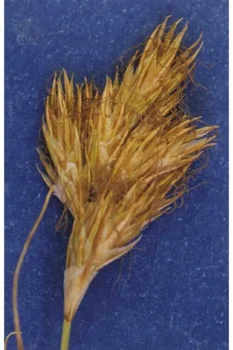
Douglas’ Sedge: A Hardy Native Grass for Low-Maintenance Landscapes
If you’re looking for a tough, adaptable native plant that doesn’t demand much attention once it’s settled in, Douglas’ sedge (Carex douglasii) might just be your new garden companion. This unassuming perennial sedge has quietly been thriving across North America’s diverse landscapes for centuries, and it’s ready to bring that same resilience to your yard.
What Makes Douglas’ Sedge Special?
Douglas’ sedge is a true native champion, naturally occurring throughout Canada and the lower 48 states. You’ll find this hardy plant growing wild from Alberta and British Columbia down to Arizona and New Mexico, and everywhere from California to Iowa. That’s quite a range for any plant, which tells you something important: this sedge knows how to adapt.
- Species observed
- No observations
As a member of the sedge family, Douglas’ sedge is technically a grass-like plant rather than a true grass. Think of it as grass’s practical cousin – it has that familiar fine texture and clumping growth habit, but with even more durability and less fuss.
Garden Appeal and Landscape Role
Don’t expect flashy flowers or dramatic seasonal displays from Douglas’ sedge. Instead, this plant offers something perhaps more valuable: steady, reliable performance. It grows in neat, erect clumps reaching about 1.5 feet tall, with fine-textured green foliage that maintains its appearance throughout the growing season.
The small green flowers appear in late spring, but they’re not particularly showy – this plant’s beauty lies in its form and texture rather than its blooms. The brown seeds that follow are equally understated but provide some subtle interest.
Douglas’ sedge shines in several landscape roles:
- Groundcover for naturalized areas
- Erosion control on slopes
- Texture contrast in prairie or meadow gardens
- Low-maintenance filler in native plant landscapes
- Habitat restoration projects
Growing Conditions and Care
Here’s where Douglas’ sedge really impresses: it’s remarkably adaptable to different growing conditions. This plant has a facultative wetland status, meaning it’s equally happy in wet soils or drier conditions – a trait that makes it incredibly useful for gardeners dealing with variable moisture levels.
Soil Requirements:
- Adapts to coarse, medium, or fine-textured soils
- pH range: 6.0 to 8.5
- Low fertility requirements (won’t mind poor soil)
- Medium tolerance for salt and alkaline conditions
Light and Water:
- Full sun (shade intolerant)
- Medium drought tolerance once established
- Handles both wet and dry conditions
- Medium moisture use
Climate Tolerance:
- Hardy to -33°F (approximately USDA zones 3-8)
- Needs at least 85 frost-free days
- Thrives in areas receiving 14-24 inches annual precipitation
Planting and Establishment
Douglas’ sedge requires patience – it’s a slow grower with a long lifespan, so think of it as a long-term investment in your landscape. The plant spreads moderately through underground rhizomes, gradually forming larger colonies over time.
Propagation Options:
- Seed (requires cold stratification)
- Bare root divisions
- Sprigs from established plants
Seeds have low abundance and vigor, so division or sprigs from established plants often work better for home gardeners. Plant spacing should allow for 1,700 to 4,800 plants per acre, depending on how quickly you want coverage.
The plant’s root system typically reaches at least 8 inches deep, so prepare planting sites accordingly. Once established, Douglas’ sedge is quite self-sufficient and rarely needs supplemental water or fertilizer.
Wildlife and Ecological Benefits
While Douglas’ sedge may not be a pollinator magnet (it’s wind-pollinated), it serves important ecological functions. The plant provides habitat structure for small wildlife and contributes to soil stability with its fibrous root system. Its fire tolerance also makes it valuable for landscapes in fire-prone areas.
Is Douglas’ Sedge Right for Your Garden?
Consider Douglas’ sedge if you:
- Want low-maintenance native plants
- Need erosion control or groundcover
- Are creating prairie or meadow gardens
- Live in areas with variable moisture conditions
- Prefer subtle, naturalistic plantings over flashy displays
This might not be your plant if you:
- Want quick results (remember, it’s slow-growing)
- Need plants for shady areas
- Prefer colorful flowers or dramatic foliage
- Have a very formal garden style
Douglas’ sedge won’t win any beauty contests, but it will quietly and reliably do its job year after year, asking for very little in return. Sometimes, that’s exactly what a garden needs.