Douglas’ Silver Lupine: A California Native Beauty for Water-Wise Gardens
Meet Douglas’ silver lupine (Lupinus albifrons var. douglasii), a stunning California native that’s about to become your new favorite drought-tolerant shrub. With its silvery foliage and vibrant flower spikes, this perennial beauty brings both elegance and ecological value to water-wise landscapes.
What Makes Douglas’ Silver Lupine Special?
This charming native shrub is more than just a pretty face. As a true California native, Douglas’ silver lupine has evolved to thrive in the Golden State’s Mediterranean climate. The plant typically grows as a multi-stemmed woody shrub, usually staying under 13-16 feet in height, making it perfect for residential landscapes.
Douglas’ silver lupine is native to California, where it naturally occurs in coastal ranges and foothills. This native status means it’s perfectly adapted to local growing conditions and supports native wildlife.
- Species observed
- No observations
Visual Appeal That Wows
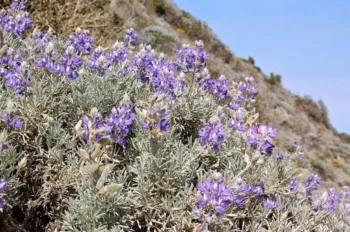
The star of the show is definitely the striking contrast between the plant’s silvery-gray foliage and its bold spikes of blue to purple flowers. The fuzzy, silver-toned leaves create a beautiful backdrop that makes the colorful blooms absolutely pop. This stunning combination adds texture and visual interest to any garden throughout the growing season.
Perfect for These Garden Styles
Douglas’ silver lupine shines in several garden settings:
- Mediterranean and drought-tolerant landscapes
- Native plant gardens
- Xeriscape designs
- Hillside plantings for erosion control
- Wildlife and pollinator gardens
A Pollinator Magnet
Here’s where things get really exciting for eco-conscious gardeners! Douglas’ silver lupine is a fantastic pollinator plant, attracting bees, butterflies, and other beneficial insects to your garden. The tubular flowers are perfectly designed to welcome these important garden visitors, making your landscape a buzzing hub of activity.
Growing Conditions and Care
One of the best things about Douglas’ silver lupine is how easy it is to grow once you understand its preferences:
Sunlight: This plant loves full sun and will reward you with the best flowering when given plenty of bright light.
Soil: Well-draining soil is absolutely essential. This native doesn’t tolerate soggy conditions, so make sure water can move through the soil easily.
Water: Once established, Douglas’ silver lupine is remarkably drought tolerant. During its first year, provide regular water to help it get established, then gradually reduce watering.
Climate: Thrives in USDA hardiness zones 8-10, making it perfect for most of California’s mild climate zones.
Planting and Care Tips
Getting your Douglas’ silver lupine off to a great start is straightforward:
- Plant in fall for best establishment before summer heat
- Choose a location with excellent drainage
- Water regularly the first year, then reduce to minimal supplemental irrigation
- Prune lightly after flowering to maintain shape
- Avoid heavy fertilization – this native prefers lean soils
Why Choose Douglas’ Silver Lupine?
If you’re looking for a beautiful, low-maintenance native plant that supports local ecosystems while adding stunning visual appeal to your garden, Douglas’ silver lupine checks all the boxes. Its drought tolerance makes it perfect for California’s water-conscious gardening, while its pollinator benefits help support declining bee and butterfly populations.
This remarkable native shrub proves that you don’t have to sacrifice beauty for sustainability – with Douglas’ silver lupine, you get both in one gorgeous package!