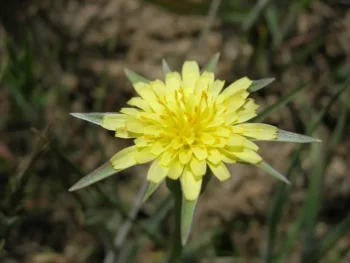
Douglas’ Silverpuffs: A Charming Native Annual for Your Wildflower Garden
If you’re looking to add some whimsical charm to your native plant garden, meet Douglas’ silverpuffs (Microseris douglasii). This delightful little annual wildflower might not be the showiest plant in your garden, but it brings a special kind of magic that’s hard to resist – especially when those fluffy, silvery seed heads catch the morning light.
What Are Douglas’ Silverpuffs?
Douglas’ silverpuffs is a native annual forb that belongs to the sunflower family. As an annual, it completes its entire life cycle in one growing season, sprouting from seed, blooming, setting seed, and dying all within a single year. Don’t let the word forb intimidate you – it simply means it’s a non-woody flowering plant, basically a wildflower!
This charming native is indigenous to the lower 48 states, with its natural range spanning California, Oregon, and Massachusetts. It’s a true western beauty that has adapted to life in diverse landscapes across these regions.
- Species observed
- No observations
Why Grow Douglas’ Silverpuffs?
There are several compelling reasons to include this native gem in your garden:
- Native plant benefits: As a native species, it supports local ecosystems and provides food for native pollinators
- Low maintenance: Once established, it requires minimal care and often self-seeds for next year’s display
- Unique aesthetic: The progression from yellow daisy-like flowers to silvery, fluffy seed heads provides seasonal interest
- Pollinator friendly: The composite flowers attract small native bees, flies, and other beneficial insects
- Perfect for naturalized areas: Ideal for wildflower meadows and natural-looking garden spaces
Garden Design and Landscape Role
Douglas’ silverpuffs works beautifully in several garden settings:
- Native plant gardens: Perfect companion to other western natives
- Wildflower meadows: Adds delicate texture and movement to naturalized plantings
- Spring ephemeral displays: Provides early season color before summer perennials take over
- Rock gardens: Its compact size and drought tolerance make it suitable for well-draining rockery situations
Growing Conditions and Care
The good news is that Douglas’ silverpuffs isn’t particularly fussy about its growing conditions. Here’s what it prefers:
- Sunlight: Full sun to partial shade
- Soil: Well-draining soils; it’s quite adaptable to different soil types
- Water: Moderate water needs; drought tolerant once established
- USDA Hardiness Zones: Best suited for zones 8-10, matching its native range
Wetland Considerations
This plant is definitely not one for your rain garden or boggy areas! Douglas’ silverpuffs has different wetland statuses depending on your region, but the consistent theme is that it prefers drier conditions. In most areas, it’s classified as Obligate Upland, meaning it almost never occurs in wetlands. Keep it in your well-draining, upland garden areas for best results.
Planting and Care Tips
Growing Douglas’ silverpuffs successfully is refreshingly straightforward:
- Seeding: Direct seed in fall for spring germination, mimicking natural cycles
- Soil preparation: Ensure good drainage; amend heavy clay soils if necessary
- Watering: Water regularly during establishment, then reduce as plants mature
- Maintenance: Minimal maintenance required; let some plants go to seed for natural reseeding
- Self-seeding: Allow seed heads to mature and scatter for next year’s display
The Bottom Line
Douglas’ silverpuffs might be small, but it punches above its weight in terms of garden value. This native annual offers the perfect combination of low maintenance, ecological benefits, and unique beauty. While it may not be the star of your garden, it’s definitely the kind of supporting player that makes everything else look better.
If you’re working on a native plant garden, wildflower meadow, or just want to add some authentic regional character to your landscape, Douglas’ silverpuffs deserves a spot in your seed mix. Just remember to source your seeds responsibly from reputable native plant suppliers to ensure you’re getting true-to-type plants that will thrive in your specific location.