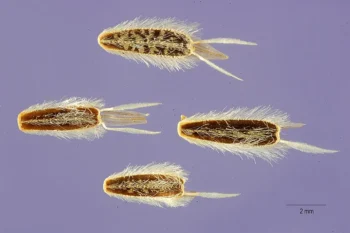
Douglas’ Tickseed: A Rare California Native Worth Discovering
If you’re passionate about native California plants and love supporting rare wildflowers, Douglas’ tickseed (Coreopsis douglasii) might just be the hidden gem you’ve been searching for. This annual native belongs to the beloved Coreopsis genus, known for their cheerful, daisy-like blooms that light up gardens and natural landscapes alike.
What Makes Douglas’ Tickseed Special?
Douglas’ tickseed is a true California original – an endemic species that calls only the Golden State home. As an annual forb (that’s botanist-speak for a non-woody flowering plant), this little beauty completes its entire life cycle in just one growing season, making it quite different from its perennial Coreopsis cousins that many gardeners know and love.
You might also encounter this plant listed under its synonyms, including Coreopsis stillmanii var. jonesii or Leptosyne douglasii, so don’t be confused if you see these names pop up in plant catalogs or botanical references.
Where Douglas’ Tickseed Calls Home
This special wildflower is found exclusively in California, making it a perfect choice for gardeners who want to support their local ecosystem with truly regional plants. Its limited geographic range contributes to its conservation status.
- Species observed
- No observations
A Word About Rarity
Here’s something important to know: Douglas’ tickseed has a Global Conservation Status of S3S4, which means it’s considered somewhat uncommon to fairly uncommon in its native range. This rarity status is actually a compelling reason to consider growing it – but with an important caveat. If you decide to add this plant to your garden, make absolutely sure you’re sourcing seeds or plants from reputable native plant nurseries that collect responsibly and don’t impact wild populations.
Growing Douglas’ Tickseed: What We Know
Unfortunately, detailed growing information for this specific Coreopsis species is limited, which isn’t uncommon for rare native plants. However, we can make some educated guesses based on its California native status and annual nature:
- As a California native annual, it likely prefers the state’s Mediterranean climate patterns
- Most California native annuals thrive with fall/winter moisture and dry summers
- Being in the Coreopsis genus, it probably produces yellow, daisy-like flowers
- Annual wildflowers typically prefer well-draining soils
Is Douglas’ Tickseed Right for Your Garden?
This plant presents both opportunities and challenges for the home gardener. On the plus side, growing rare native species like Douglas’ tickseed can:
- Support conservation efforts for uncommon plants
- Add unique character to your native plant collection
- Connect you more deeply with California’s botanical heritage
- Potentially provide habitat for specialized native insects
However, the limited growing information available means you’ll be somewhat experimenting, which can be exciting for experienced native plant gardeners but potentially frustrating for beginners.
The Bottom Line
Douglas’ tickseed represents the kind of botanical treasure that makes native plant gardening so rewarding – and occasionally challenging. While we can’t provide detailed growing instructions due to limited research on this specific species, its rarity and California heritage make it worth considering for dedicated native plant enthusiasts.
If you’re interested in growing Douglas’ tickseed, start by connecting with local native plant societies, botanical gardens, or specialized nurseries in California. They may have experience with this species or can help you source seeds responsibly. Remember, every rare plant we successfully cultivate in our gardens is a small victory for biodiversity and conservation.
And if Douglas’ tickseed proves too elusive, consider its more readily available Coreopsis relatives – species like Coreopsis californica or Coreopsis gigantea can provide similar aesthetic appeal while being easier to source and grow successfully.