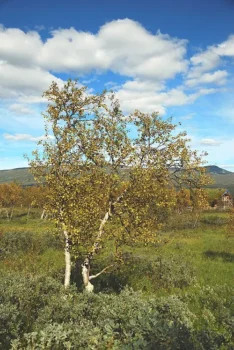
Downy Birch: A Cool-Climate Beauty for Northern Gardens
If you’ve ever dreamed of having a graceful tree with striking white bark gracing your landscape, the downy birch (Betula pubescens) might catch your eye. This elegant tree brings a touch of Nordic charm to gardens, though there are some important considerations before you decide to plant one.
What Is Downy Birch?
Downy birch is a perennial tree that typically grows 13-16 feet tall, though it can reach greater heights under ideal conditions. True to its name, this species has a distinctly downy or fuzzy texture on its young shoots and leaf undersides. The tree produces the characteristic white bark that birch lovers adore, marked with dark horizontal lines called lenticels that create an almost artistic pattern on the trunk.
Native Status and Where It Grows
Here’s where things get interesting: downy birch isn’t actually native to most places where you’ll find it growing in North America. While it’s native to Greenland, it’s considered non-native but naturalized in both Canada and the lower 48 states. This means it was introduced but now reproduces on its own in the wild.
You can currently find downy birch growing across a wide range of locations, from Canadian provinces like British Columbia, Nova Scotia, and Ontario, to numerous U.S. states including Connecticut, Georgia, Indiana, Maine, Maryland, Massachusetts, Michigan, Montana, New Jersey, New York, Ohio, Pennsylvania, Rhode Island, Vermont, and West Virginia.
- Species observed
- No observations
Should You Plant Downy Birch?
The decision to plant downy birch depends on your specific goals and location. Here are some factors to consider:
Reasons You Might Love It:
- Stunning white bark that provides year-round visual interest
- Graceful, open canopy that doesn’t create dense shade
- Beautiful yellow fall color
- Thrives in cool climates (USDA zones 2-6)
- Relatively low maintenance once established
Things to Consider:
- It’s not native to most of North America
- May not provide the same ecological benefits as native birch species
- Best suited for northern climates and may struggle in hot, humid conditions
Growing Conditions and Care
If you decide to grow downy birch, here’s what it needs to thrive:
Ideal Growing Conditions:
- Soil: Moist, well-draining soil (it’s quite adaptable to different soil types)
- Light: Full sun to partial shade
- Climate: Cool, northern climates (zones 2-6)
- Water: Regular moisture, especially when young
Wetland Adaptability
One of downy birch’s interesting characteristics is its flexibility regarding moisture levels. Depending on your region, it can handle both wetland and upland conditions, though it typically prefers areas with consistent moisture.
Planting and Care Tips:
- Plant in spring or early fall for best establishment
- Water regularly during the first few years
- Mulch around the base to retain moisture and suppress weeds
- Minimal pruning needed – just remove dead or damaged branches
- Watch for common birch pests like aphids or birch leaf miners
Landscape Design Ideas
Downy birch works beautifully in several landscape settings:
- Woodland or naturalistic gardens
- As a specimen tree in larger landscapes
- Near ponds or water features
- In cottage-style gardens for a romantic, informal look
- Grouped with other cool-climate trees for a northern forest feel
Consider Native Alternatives
While downy birch can be a lovely addition to the right garden, you might also consider native birch species that provide similar beauty while supporting local ecosystems. Paper birch (Betula papyrifera) and river birch (Betula nigra) are two native options that offer gorgeous bark and excellent wildlife value.
The Bottom Line
Downy birch can be a wonderful choice for gardeners in cool climates who appreciate distinctive bark and graceful form. While it’s not native to most of North America, it’s not currently listed as invasive either. If you choose to plant it, you’ll be rewarded with a tree that provides year-round interest and relatively easy care. Just remember to consider native alternatives that might offer even greater benefits to your local ecosystem while providing similar aesthetic appeal.