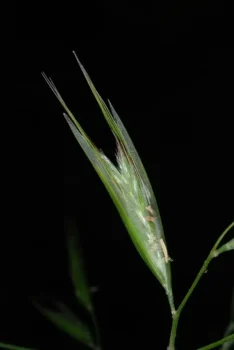
Downy Danthonia: A Delicate Native Grass Worth Discovering
If you’re looking to add subtle texture and authentic native character to your landscape, downy danthonia might just be the unsung hero your garden needs. This perennial grass may not win any flashy flower contests, but it brings something equally valuable to the table: genuine regional heritage and effortless natural beauty.
What Makes Downy Danthonia Special
Danthonia sericea, commonly known as downy danthonia, is a native perennial grass that calls the eastern United States home. Unlike some of its more boisterous grass cousins, this species offers a refined, delicate presence that works beautifully in naturalized settings and native plant gardens.
This charming grass produces fine-textured foliage and open, airy seed heads that dance gracefully in the breeze. While it may appear modest at first glance, downy danthonia has a quiet elegance that grows on you – quite literally and figuratively.
Where You’ll Find This Native Beauty
Downy danthonia has quite an impressive range across the eastern United States. You can find this native grass growing naturally in Alabama, Arkansas, Delaware, Florida, Georgia, Kentucky, Louisiana, Maryland, Mississippi, New Hampshire, New Jersey, North Carolina, Pennsylvania, South Carolina, Tennessee, Texas, Virginia, and West Virginia.
- Species observed
- No observations
This wide distribution speaks to the plant’s adaptability and its important role in eastern ecosystems.
A Word About Rarity
Important note for Arkansas gardeners: Downy danthonia is considered quite rare in Arkansas, with a rarity status of S1. If you’re planning to grow this species, please ensure you source your plants or seeds from reputable native plant nurseries that use responsibly collected material. Never harvest from wild populations.
Perfect Spots for Downy Danthonia
This versatile grass shines in several garden situations:
- Native plant gardens where authentic regional character matters
- Woodland gardens as an understory groundcover
- Naturalized landscapes that mimic local ecosystems
- Restoration projects aimed at rebuilding native plant communities
- Erosion control areas where you need both function and beauty
As a facultative upland species, downy danthonia typically prefers well-drained, non-wetland areas but can adapt to occasionally moist conditions. This flexibility makes it useful for transitional zones in your landscape.
Growing Downy Danthonia Successfully
The good news? This native grass is refreshingly low-maintenance once you understand its preferences.
Climate considerations: Downy danthonia thrives in USDA hardiness zones 6-10, making it suitable for much of its native range.
Soil and site requirements: This adaptable grass tolerates various soil types but performs best in well-drained conditions. It can handle some shade, making it perfect for woodland garden applications where many other grasses struggle.
Establishment: The easiest way to start downy danthonia is from seed. It establishes readily and may self-seed in favorable conditions, though it’s never aggressive about it.
Maintenance: Once established, this grass is remarkably drought tolerant and requires minimal care. It’s the kind of plant that rewards benign neglect with steady, reliable performance.
Ecological Benefits
While downy danthonia is wind-pollinated rather than a major pollinator magnet, it still contributes valuable ecosystem services. Native grasses like this one provide habitat structure for beneficial insects and help create the complex plant communities that support wildlife.
As part of a native plant palette, downy danthonia helps restore the authentic character of eastern landscapes while requiring fewer inputs than non-native alternatives.
Is Downy Danthonia Right for Your Garden?
Consider adding downy danthonia to your landscape if you:
- Value authentic native plants over exotic alternatives
- Want low-maintenance groundcover for naturalized areas
- Are working on habitat restoration or native plant gardening
- Appreciate subtle beauty over flashy displays
- Need erosion control that doesn’t look like an engineering solution
This modest native grass may not demand attention, but it quietly enhances any landscape lucky enough to host it. In a world of gardening showoffs, sometimes the most valuable plants are the ones that simply do their job beautifully, year after year.